

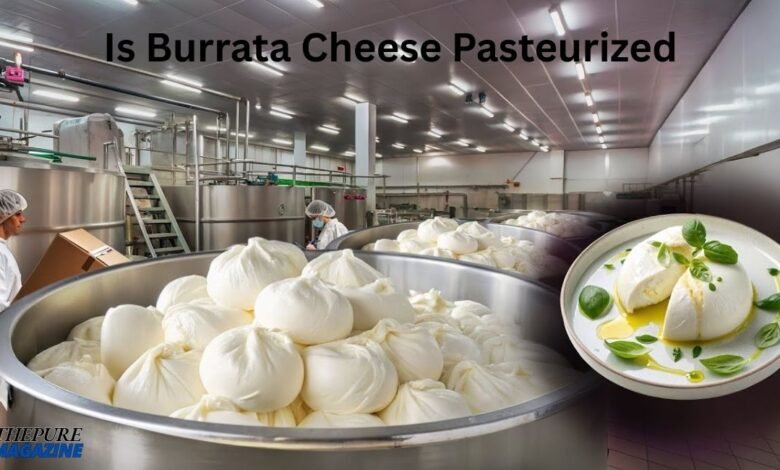
Yes — most burrata cheese sold in the United States is pasteurized, and in many cases it’s clearly labeled “made with pasteurized milk.” So if you’re standing in the grocery store asking yourself “is burrata cheese pasteurized?”, the answer is usually yes, especially if it’s a well-known brand from a major supermarket.
That said, burrata can sometimes be made with unpasteurized milk, especially if you buy it from a farmers market, small cheese shop, or imported specialty store. That’s why checking the label matters so much — particularly for pregnant people, anyone with a weakened immune system, and even young kids. Burrata is delicious, creamy, and soft, but because it’s a fresh cheese, it needs to be handled safely.
What Burrata Cheese Actually Is (And Why It’s Different From Mozzarella)
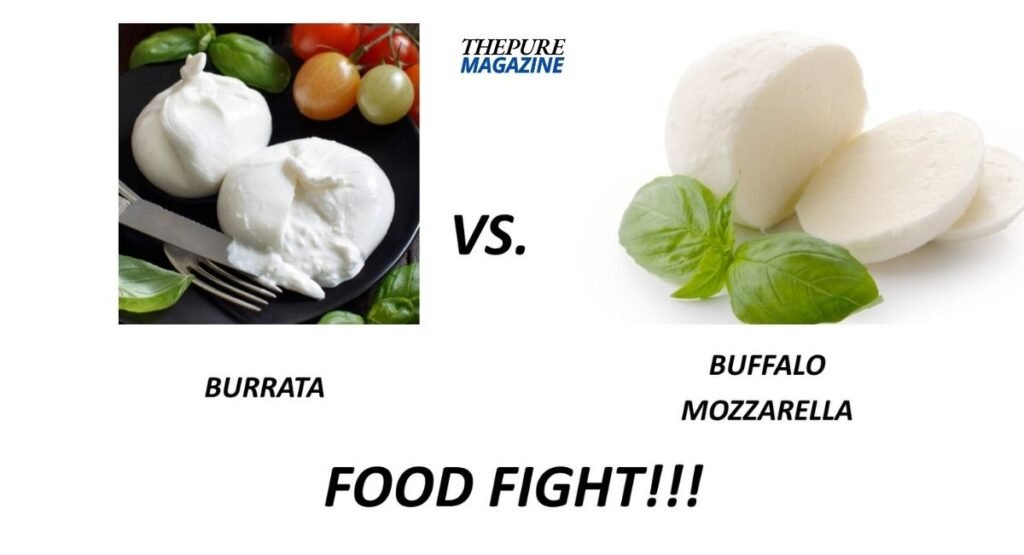
To understand why people keep asking “is burrata cheese pasteurized?”, it helps to know what burrata really is. Burrata looks like a smooth ball of mozzarella on the outside, but the inside is completely different. When you cut it open, it spills out a creamy mixture made from fresh cream and soft cheese curds.
This is what makes burrata so popular. It’s richer than mozzarella, softer than most cheeses, and usually served on salads, bread, tomatoes, and fancy “burrata boards.” But here’s the important part: burrata contains more moisture than many cheeses, and moisture is one of the things bacteria love most. That’s why burrata gets more attention than hard cheeses when it comes to food safety.
Related Article Also Read: Here
Is Burrata Cheese Pasteurized in the United States?
In the United States, the answer is: yes, most burrata is pasteurized. In fact, burrata made commercially and sold in major grocery stores is almost always produced using pasteurized milk because of food safety rules and consumer demand.
If you buy burrata from places like Whole Foods, Trader Joe’s, Costco, Kroger, or other mainstream stores, it’s very likely pasteurized. The label will typically say one of the following:
- “Made with pasteurized milk”
- “Pasteurized milk”
- “Pasteurized cultured milk”
- “Made from pasteurized ingredients”
So when people search “is burrata cheese pasteurized”, they’re usually relieved to learn that the burrata they already have in their fridge is probably safe — as long as it was stored correctly.
Can Burrata Be Unpasteurized? (Yes, Sometimes)
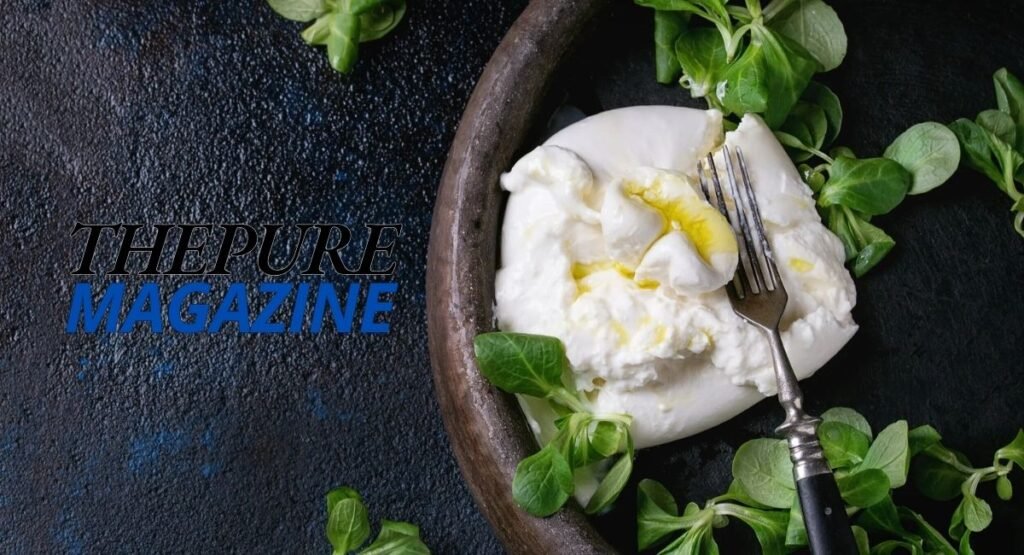
Even though most burrata is pasteurized, some burrata is made with raw (unpasteurized) milk, especially in artisan or traditional settings. If you buy burrata from:
- a farmers market
- a small local dairy
- a specialty Italian shop
- a cheese counter that imports fresh cheeses
- a restaurant that sources from small producers
…there’s a chance it could be made with unpasteurized milk. That doesn’t automatically mean it’s “bad,” but it does mean it carries more risk.
And the tricky part is that burrata often doesn’t come in the same kind of packaging as supermarket burrata. Sometimes it’s wrapped in paper, sitting in liquid, or sold fresh from a display case. That’s why it’s extra important to ask questions.
What Pasteurization Means (In Very Easy Words)
Pasteurization is simply a process where milk is heated to a specific temperature for a short time. This heat kills harmful germs and bacteria that can make people sick.
When people ask “is burrata cheese pasteurized?”, they are really asking: “Is this cheese made in a way that kills dangerous bacteria?”
The main bacteria people worry about with soft cheeses is Listeria monocytogenes. Listeria is rare, but it can be very serious — especially for pregnant people. Pasteurization greatly lowers the risk.
Why Burrata Is Considered a Higher-Risk Cheese
Burrata is a soft cheese, and soft cheeses are naturally more likely to grow bacteria because they contain:
- lots of moisture
- cream
- fresh curds
- a short shelf life
- mild acidity
Hard cheeses like cheddar or parmesan have much less moisture, so bacteria have a harder time growing there. Burrata, on the other hand, is basically a soft mozzarella pouch filled with cream — which makes it a perfect environment for germs if something goes wrong during production or storage.
So even when the answer to “is burrata cheese pasteurized?” is yes, burrata still needs to be stored properly and eaten within its freshness window.
Is Burrata Cheese Pasteurized If It’s Imported From Italy?
This is where things can get confusing. Some Italian burrata is pasteurized, and some is not. Italy has a long tradition of using fresh milk for cheeses, and artisan burrata may be produced in ways that feel “old-world” and natural.
If you’re buying imported burrata, don’t assume it’s pasteurized just because it’s in a nice package or because it’s sold in a high-end store. The only way to know is:
- check the label for “pasteurized”
- look for ingredient wording like “raw milk” or “unpasteurized”
- ask the cheese counter staff directly
If there is no label, no information, and no one can confirm it, the safest option is to skip it — especially during pregnancy.
Is Burrata Cheese Pasteurized in Restaurants?
Restaurants are one of the hardest places to confirm this. Burrata served at restaurants is often:
- plated at room temperature
- served raw (not cooked)
- paired with tomatoes and olive oil
- used as a centerpiece ingredient
Most restaurants use pasteurized burrata because it’s easier to source safely and legally. But not all do, especially upscale restaurants that work with small farms or imported cheeses.
If you’re pregnant or immunocompromised and want to be extra safe, it’s completely okay to ask:
“Do you know if your burrata is made with pasteurized milk?”
A good restaurant should be able to answer. If they don’t know, that’s a sign you should choose something else.
Can Pregnant Women Eat Burrata Cheese?
Yes — pregnant women can eat burrata, but only when it’s made with pasteurized milk and pasteurized cream, and when it has been stored correctly.
This is why the keyword “is burrata cheese pasteurized” is such a popular search during pregnancy. People love burrata, but pregnancy comes with a long list of food rules that can feel overwhelming.
Here’s the easy rule:
Yes, Pasteurized burrata = usually safe in pregnancy
Not, Unpasteurized burrata = avoid during pregnancy
Burrata is not dangerous just because it’s soft. It’s dangerous when it’s soft and made from raw milk or stored incorrectly.
Why Listeria Is the Big Concern With Burrata
Listeria is the main reason soft cheeses get a bad reputation in pregnancy. Unlike many other bacteria, listeria can grow even in cold temperatures, meaning it can still survive in the refrigerator.
Pregnant people are also more likely to get listeriosis because pregnancy naturally weakens the immune system slightly. The scary part is that listeria can affect the baby even if the pregnant person only feels mild symptoms.
This is why doctors and health organizations emphasize avoiding unpasteurized dairy products. It’s not about fear — it’s about lowering risk in the simplest way possible.
How to Check If Burrata Cheese Is Pasteurized (The Fast Way)
If you want to quickly answer “is burrata cheese pasteurized?” for the burrata in your fridge, here’s the easiest method:
- Look at the ingredient label
- Find the word “pasteurized”
- Confirm it says “pasteurized milk” or “made with pasteurized milk”
- If it doesn’t say anything, treat it as unknown and be cautious
Most grocery store burrata will clearly state pasteurization. If you can’t find it, don’t guess.
What If the Burrata Label Doesn’t Say Pasteurized?
If the label does not mention pasteurization at all, you should assume one of these is true:
- the producer didn’t clearly label it
- it’s from a small artisan source
- it’s imported and labeling rules differ
- it may be unpasteurized
In this case, the safest move is to avoid it if you’re pregnant. If you’re not pregnant, you can still eat it — but you should understand there is a slightly higher risk compared to pasteurized versions.
When in doubt, remember: burrata is a luxury food, not a necessity. Skipping one cheese isn’t worth the stress.
Does “Fresh Burrata” Mean It’s Unpasteurized?
No — not necessarily. The word “fresh” refers to the type of cheese and how it’s aged, not whether the milk is pasteurized. Burrata is always considered a fresh cheese because it’s not aged like cheddar, gouda, or parmesan.
So you can absolutely have fresh burrata made with pasteurized milk. In fact, most grocery store burrata is exactly that: fresh, soft, and pasteurized.
Is Burrata Cheese Pasteurized If It’s Organic?
Organic burrata can be pasteurized or unpasteurized. “Organic” simply means the milk came from cows raised under organic standards. It does not automatically mean raw milk.
Many organic dairies pasteurize their milk because it’s still the safest and most common method. But some organic or “farm-to-table” brands may use raw milk to appeal to traditional cheese lovers.
So the answer is: organic does not guarantee pasteurized. You still need to check the label.
Does Serving Burrata at Room Temperature Make It Unsafe?
This is another big reason people worry. Burrata is usually served at room temperature because it tastes better that way — the cream is softer and the flavor is more pronounced.
But here’s the simple truth:
Burrata is safe at room temperature for a short time if it started cold and was handled properly.
The food safety guideline most experts follow is:
- Do not leave burrata out for more than 2 hours
- If the room is very hot, keep it under 1 hour
- Always return leftovers to the fridge quickly
Room temperature serving is not the problem. The problem is leaving it out too long.
How to Store Burrata Safely at Home
Even if the answer to “is burrata cheese pasteurized?” is yes, storage still matters. Burrata is perishable, and it can spoil quickly.
Here are the best storage tips:
- Keep burrata refrigerated at 40°F (4°C) or lower
- Store it in its original liquid if possible
- Keep it sealed tightly
- Eat it by the expiration date
- Once opened, try to finish it within 1–2 days
If burrata smells sour, looks slimy, or tastes off, don’t take chances. Throw it away.
Can You Cook Burrata to Make It Safer?
Technically, heating cheese can kill bacteria. But burrata is not usually cooked because it melts fast and loses its creamy center.
Still, some recipes bake burrata into pasta, pizza, or roasted vegetables. If you are pregnant and want extra peace of mind, eating burrata in a hot dish can feel safer.
But remember: pasteurized burrata is already safe. Heating it is optional, not required, as long as it was stored correctly.
Cheeses That Are Similar to Burrata (And Their Safety)
If you love burrata, you might also enjoy similar cheeses like:
- mozzarella
- ricotta
- feta
- goat cheese
- brie
- camembert
- queso fresco
All of these can be safe during pregnancy if made with pasteurized milk. The key rule stays the same across the board.
So even though burrata is a soft cheese, it belongs in the “safe” category when pasteurized — just like many other soft cheeses sold in the U.S.
Cheeses to Avoid If You’re Pregnant
If you’re pregnant, the cheeses to avoid are not “all soft cheeses.” The real issue is unpasteurized cheeses.
Cheeses that may be risky when unpasteurized include:
- brie
- camembert
- blue cheese
- gorgonzola
- roquefort
- queso fresco
- panela
- queso blanco
- asadero
- some goat cheeses
- some farmer’s market cheeses
Again, these are only a problem when made from raw milk. Pasteurized versions are usually fine.
So… Is Burrata Cheese Pasteurized? Final Answer
Yes — most burrata cheese is pasteurized, especially in the United States and especially when purchased from a grocery store.
If the label says “made with pasteurized milk,” then burrata is generally safe to eat — even during pregnancy — as long as you store it properly and don’t leave it sitting out too long.
But if you buy burrata from a farmers market, cheese shop, or restaurant where the pasteurization status is unclear, it’s smart to ask questions. If you can’t confirm it’s pasteurized, the safest choice is to skip it.
Burrata is one of life’s best cheeses — and the good news is, for most people, it doesn’t have to be off-limits.
FAQs
Is burrata cheese pasteurized in the United States?
Yes, most burrata cheese sold in U.S. grocery stores is made with pasteurized milk. The label usually states “made with pasteurized milk.” Always check the packaging to confirm.
How can I tell if burrata cheese is pasteurized?
Look at the ingredient list on the package. It should clearly say “pasteurized milk” or “made with pasteurized ingredients.” If you cannot find this information, ask the seller or avoid it if you are pregnant.
Is burrata cheese safe during pregnancy?
Yes, burrata is safe during pregnancy if it is made with pasteurized milk and stored properly in the refrigerator below 40°F. Avoid burrata made with unpasteurized (raw) milk.
Can burrata cheese be unpasteurized?
Yes, some artisan or imported burrata may be made with raw milk. This is more common at farmers markets, small cheese shops, or specialty stores. Always confirm before buying.
Why is pasteurization important for burrata?
Pasteurization heats milk to kill harmful bacteria like listeria. Since burrata is a soft and fresh cheese with high moisture, pasteurization greatly reduces the risk of foodborne illness.
Is fresh burrata automatically unpasteurized?
No. “Fresh” refers to the type of cheese, not the milk treatment. Fresh burrata can still be made with pasteurized milk.
Is imported Italian burrata pasteurized?
Some imported burrata is pasteurized, but not all. Always check the label or ask the retailer to confirm whether it is made with pasteurized milk.
Can I eat burrata at a restaurant while pregnant?
You can eat burrata at a restaurant if it is made from pasteurized milk. If you are unsure, ask your server. If they cannot confirm, it’s safer to choose another dish.
Does serving burrata at room temperature make it unsafe?
No, burrata is often served at room temperature for better flavor. However, it should not sit out for more than two hours and must be stored properly before serving.
What happens if you eat unpasteurized burrata while pregnant?
Unpasteurized burrata may carry listeria, a bacteria that can cause listeriosis. This infection is rare but can be serious during pregnancy. If you are concerned, contact your healthcare provider.
