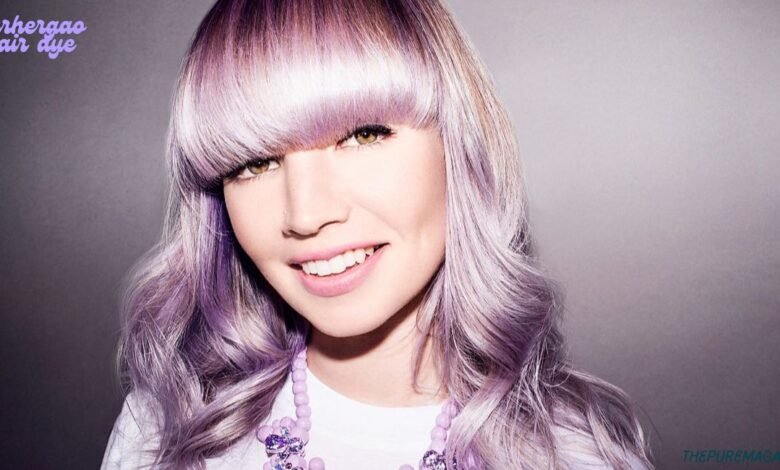
Darhergao Hair Dye – A Complete Guide to Healthy and Long-Lasting Hair Color
Darhergao hair dye is becoming a popular choice for people who want beautiful hair color without damaging their hair. Many traditional hair dyes contain strong chemicals that can make hair dry, weak, and lifeless over time. Darhergao hair dye is different because it focuses on coloring the hair while also caring for it. It is made with plant-based and nourishing ingredients that help protect hair health while giving rich and vibrant color. This makes it suitable for people who color their hair often or who already have damaged or sensitive hair. With Darhergao hair dye, users can enjoy salon-like results at home without worrying about harsh side effects.
What Is Darhergao Hair Dye and Why It Is Special
Darhergao hair dye is a modern hair coloring product designed for home use. It combines color pigments with conditioning ingredients to give long-lasting color while keeping hair soft and manageable. Unlike many chemical dyes that strip moisture from hair, Darhergao hair dye works gently by supporting the natural structure of the hair. It is often chosen by people who want a safer alternative to strong chemical dyes. Its formula focuses on balance, meaning it colors the hair deeply while reducing dryness, breakage, and scalp irritation. This balance is what makes Darhergao hair dye stand out in the crowded hair color market.
Who Should Use Darhergao Hair Dye
Darhergao hair dye is suitable for a wide range of people. It is ideal for those with sensitive scalps who experience itching or burning with traditional dyes. People with dry, damaged, or chemically treated hair can also benefit from this dye because of its gentle and nourishing formula. It is a good option for anyone who wants to cover gray hair, refresh their natural color, or try a new shade without harming their hair. Even beginners who have never dyed their hair before find Darhergao hair dye easy to use and forgiving, making it a great choice for home application.
Gentle Formula That Cares for Sensitive Scalps
One of the biggest benefits of Darhergao hair dye is its gentle formulation. Many users worry about scalp irritation when coloring their hair, especially if they have sensitive skin. Darhergao hair dye is designed to reduce these concerns by avoiding extremely harsh chemicals. The plant-based ingredients help soothe the scalp and reduce redness or discomfort during and after application. This makes the coloring process more comfortable and stress-free. Over time, users often notice that their scalp feels healthier and less irritated compared to using traditional hair dyes.
How Darhergao Hair Dye Protects Hair From Damage
Hair damage is a common problem caused by repeated coloring. Darhergao hair dye helps protect hair by forming a nourishing layer around each strand. This layer helps lock in moisture and prevents excessive dryness. The dye penetrates the hair shaft gently, delivering color without stripping natural oils. As a result, hair feels softer and stronger after coloring. Many users report less breakage, fewer split ends, and improved texture with regular use. Darhergao hair dye focuses not only on color but also on long-term hair health.
Long-Lasting Color That Stays Vibrant
Darhergao hair dye is known for its long-lasting color performance. Once applied, the color stays vibrant for several weeks with proper care. The pigments are designed to stay locked inside the hair shaft, reducing quick fading. Even after multiple washes, the color remains rich and shiny. This makes Darhergao hair dye a practical option for people who do not want to color their hair frequently. The long-lasting effect saves time, effort, and money while keeping hair looking fresh and well-maintained.
Shine and Smoothness After Every Application
A major concern with hair dyes is the loss of shine after coloring. Darhergao hair dye helps improve shine instead of dulling it. The nourishing ingredients smooth the hair cuticle, allowing light to reflect better. This gives hair a healthy, glossy appearance. After using Darhergao hair dye, hair often looks smoother and more polished. The improved smoothness also makes hair easier to style and manage. This shine and softness are key reasons why many users continue using Darhergao hair dye regularly.
Wide Range of Shades for Every Style
Darhergao hair dye offers a variety of shades to suit different preferences. From natural black and brown tones to richer colors like burgundy and auburn, there are many options available. These shades are designed to provide even coverage from roots to ends. The variety allows users to choose a color that matches their personality, skin tone, and lifestyle. Whether someone prefers a natural look or a bold change, Darhergao hair dye provides flexibility without compromising hair health.
Choosing the Right Shade of Darhergao Hair Dye
Choosing the correct shade is important for achieving the best results. Darhergao hair dye shades work best when selected based on natural hair color and desired outcome. Darker shades are ideal for covering gray hair completely, while lighter or warmer tones can add softness and dimension. The dye distributes color evenly, helping avoid patchy or uneven results. Users are encouraged to read shade descriptions carefully and consider doing a strand test. This ensures the final color looks natural and flattering.
Easy Application for Home Use
Darhergao hair dye is designed for simple and convenient application at home. The instructions are clear and easy to follow, making it suitable even for first-time users. Dividing hair into sections helps achieve even coverage. Following the recommended processing time ensures the best color result while protecting hair health. After rinsing, hair feels conditioned and soft, not dry or rough. This ease of use makes Darhergao hair dye a popular choice for people who prefer coloring their hair themselves.
Hair Health Benefits Beyond Coloring
Darhergao hair dye offers more than just color. It improves overall hair health with each application. The plant-based ingredients help reduce frizz, improve elasticity, and maintain moisture balance. Over time, hair becomes stronger and more resilient. This makes Darhergao hair dye a good option for people who want healthier hair along with beautiful color. The dye supports hair structure, helping hair look fuller and more vibrant with regular use.
Effective Gray Hair Coverage
Covering gray hair can be challenging, but Darhergao hair dye performs well in this area. The formula blends gray hair with natural hair smoothly, creating a youthful and natural look. Darker shades provide strong coverage, while lighter tones offer softer blending. The color looks even and consistent, without leaving dull or uneven patches. Users often report that their gray hair stays covered for weeks while remaining soft and manageable.
Color Longevity and Retention
The color retention of Darhergao hair dye is one of its strongest features. With proper aftercare, the color remains vibrant for five to six weeks. The nourishing ingredients protect hair from environmental factors like sunlight and pollution, which can cause fading. Gentle washing and conditioning further extend color life. Because the color lasts longer, users do not need frequent touch-ups, reducing stress on hair over time.
Caring for Hair After Using Darhergao Hair Dye
Proper care after coloring helps maintain both color and hair health. Using gentle shampoos and conditioners designed for colored hair is recommended. Avoiding excessive heat styling also helps preserve color and prevent dryness. Regular conditioning treatments keep hair hydrated and shiny. With the right care routine, hair colored with Darhergao hair dye stays soft, vibrant, and healthy between coloring sessions.
Common Mistakes to Avoid When Coloring Hair
To get the best results with Darhergao hair dye, it is important to avoid common mistakes. Skipping the patch test can lead to unexpected reactions. Leaving the dye on longer than recommended can cause dryness or uneven color. Not following aftercare routines may result in faster fading. Paying attention to instructions and caring for hair properly ensures a safe and successful coloring experience.
Styling Tips After Coloring
After using Darhergao hair dye, gentle styling helps maintain hair quality. Using low heat and nourishing styling products keeps hair smooth and shiny. Avoiding harsh products prevents color fading and dryness. Regular use of hair oils or masks supports moisture retention. With proper styling habits, hair remains vibrant and polished for weeks after coloring.
Seasonal Hair Care With Darhergao Hair Dye
Hair needs different care in different seasons. During winter, extra moisture helps prevent dryness and dullness. In summer, protection from sun and chlorine helps maintain color. Adjusting hair care routines according to the season helps extend the life of Darhergao hair dye. These small changes make a big difference in keeping hair healthy and colorful year-round.
Recommended Treatments to Support Colored Hair
Using additional hair treatments enhances the benefits of Darhergao hair dye. Deep conditioning masks and nourishing oils help repair and strengthen hair. These treatments improve texture and shine while supporting color longevity. When combined with Darhergao hair dye, regular treatments help hair look healthier and more vibrant over time.
Frequently Asked Questions About Darhergao Hair Dye
Darhergao hair dye usually lasts five to six weeks with proper care. It is suitable for sensitive scalps because of its gentle formula. It covers gray hair effectively and works well on previously dyed hair. Gentle washing and minimal heat styling help maintain the color. These features make Darhergao hair dye a reliable and user-friendly option.
Final Thoughts on Darhergao Hair Dye
Darhergao hair dye is a complete hair coloring solution for people who care about both beauty and hair health. Its gentle, plant-based formula delivers rich color while protecting and nourishing hair. With a wide range of shades, long-lasting results, and easy application, it offers a salon-quality experience at home. Regular use helps hair stay soft, shiny, and strong, making it a trusted choice for many users. Darhergao hair dye proves that it is possible to enjoy vibrant hair color without sacrificing hair health or comfort.
Frequently Asked Questions (FAQs)
What is Darhergao hair dye?
Darhergao hair dye is a plant-based hair coloring product designed to give vibrant, long-lasting color while protecting and nourishing hair.
Is Darhergao hair dye safe for sensitive scalps?
Yes, Darhergao hair dye is made with a gentle formula that reduces irritation, making it suitable for sensitive scalps and damaged hair.
How long does Darhergao hair dye last?
With proper care, Darhergao hair dye typically lasts 5 to 6 weeks, maintaining strong color and shine.
Does Darhergao hair dye cover gray hair?
Yes, Darhergao hair dye provides excellent gray coverage, blending gray hair smoothly with natural hair color.
Can I use Darhergao hair dye on previously colored hair?
Yes, Darhergao hair dye works well on previously dyed or chemically treated hair, though results may vary depending on the base color.
Is Darhergao hair dye ammonia-free?
Many Darhergao hair dye formulas focus on plant-based and low-chemical ingredients, making them gentler than traditional ammonia-heavy dyes.
Will Darhergao hair dye damage my hair?
No, Darhergao hair dye is designed to nourish and protect hair, helping reduce dryness, breakage, and frizz compared to chemical dyes.
How do I maintain hair after using Darhergao hair dye?
Use mild shampoo, condition regularly, avoid excessive heat, and apply hair masks to keep color vibrant and hair healthy.