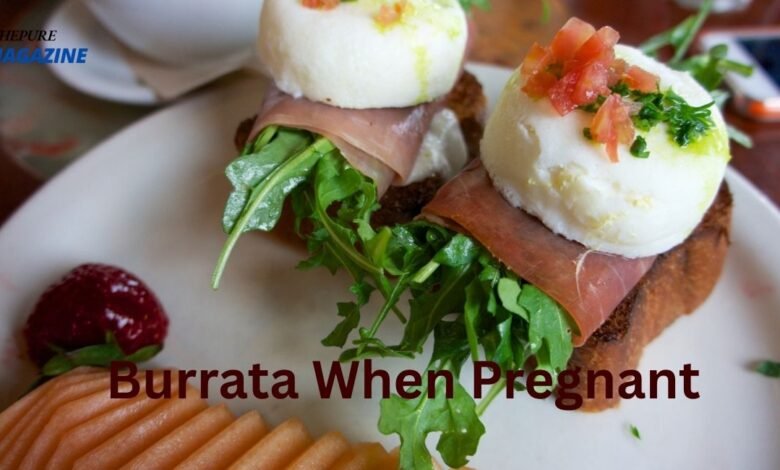
If you’re craving creamy, dreamy burrata and you’re currently expecting, you are definitely not alone. Many pregnant people suddenly want soft cheeses more than ever — and burrata is one of the most tempting ones. It’s rich, fresh, soft, and melts in your mouth like a little cloud of happiness. So it makes total sense that you’d ask the big question: is burrata when pregnant safe, or is it one of those “better not” foods?
The good news is: you can often eat burrata when pregnant, but there’s one important rule you must follow. The safety of burrata comes down to one main thing — pasteurization. If the burrata is made with pasteurized milk and it’s stored properly, it’s usually considered safe during pregnancy. If it’s made with unpasteurized milk, it’s best to avoid it.
In this article, we’ll break everything down in easy words, step by step, so you can enjoy your pregnancy without feeling like every food is scary.
Burrata When Pregnant: What Burrata Really Is
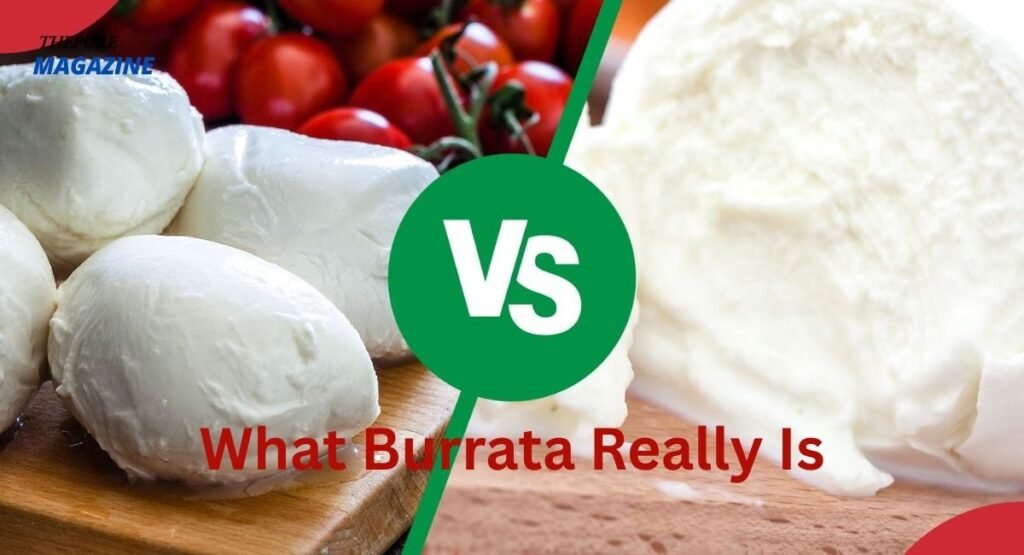
Before we talk about whether burrata when pregnant is safe, let’s quickly explain what burrata actually is — because it’s not exactly the same as mozzarella.
Burrata is a fresh Italian cheese. On the outside, it looks like a ball of mozzarella. But inside, it’s filled with a soft, creamy mixture called stracciatella, which is basically shredded mozzarella mixed with cream. That’s why burrata is so rich and soft compared to regular mozzarella.
Because burrata is a fresh, high-moisture cheese, it has a higher chance of growing harmful bacteria if it’s not made or stored correctly. This is why people often warn pregnant women about it. The creamy inside makes it extra delicious — but also makes it more sensitive.
Related Also Read: Burrata in Pregnancy: The One Thing You Must Check
Burrata When Pregnant: Why Soft Cheeses Get a Bad Reputation
If you’ve been pregnant for more than five minutes, you’ve probably heard warnings like: “No soft cheese!” “No brie!” “No blue cheese!” “No fresh cheese!”
This can feel so unfair, especially if you love cheese.
The reason soft cheeses get a bad reputation during pregnancy is because of one bacteria in particular: Listeria monocytogenes, often just called listeria.
Listeria is dangerous because:
- It can grow in refrigerated foods
- It can sometimes be found in unpasteurized dairy
- Pregnant people are much more likely to get sick from it
- It can cross the placenta and affect the baby
So when people talk about avoiding burrata when pregnant, what they really mean is: avoid burrata that might contain listeria.
Related Also Read: Can Pregnant Women Eat Burrata? Here’s What You Should Know
Burrata When Pregnant: What Pasteurization Means (In Simple Words)
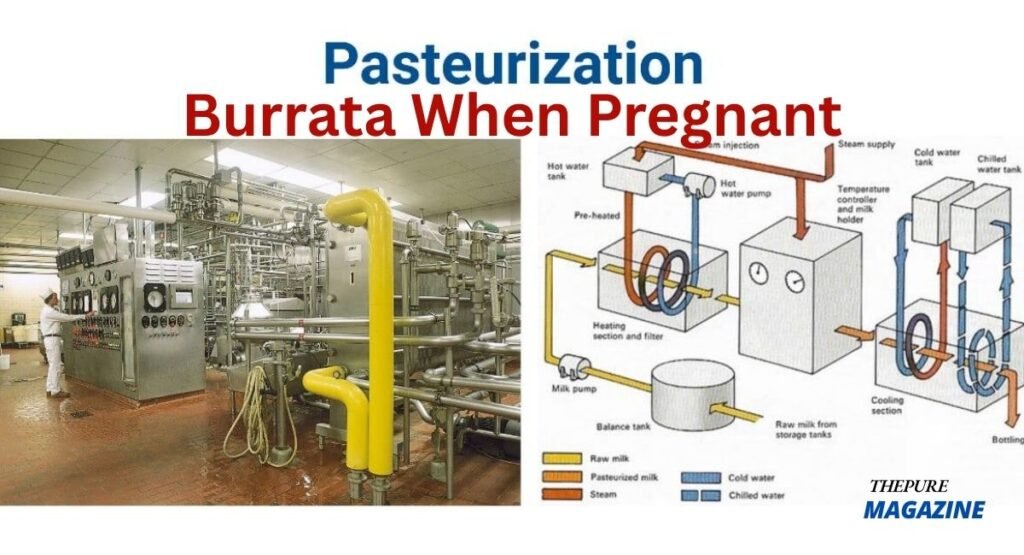
Here’s the key to understanding burrata when pregnant.
Pasteurization is a heating process that kills harmful germs in milk, including listeria. When milk is pasteurized, it becomes much safer to use in foods like cheese.
So if burrata is made with pasteurized milk, it is usually safe for pregnancy.
If burrata is made with raw (unpasteurized) milk, it carries more risk and is best avoided.
Most grocery-store burrata in the United States is pasteurized, but not all burrata everywhere is. Some imported or artisanal burrata may be unpasteurized.
That’s why checking matters.
Related Also Read: Burrata Pregnant: Is Burrata Cheese Safe to Eat During Pregnancy?
Burrata When Pregnant: The #1 Rule for Eating Burrata Safely
If you want the simple answer for burrata when pregnant, here it is:
You can eat burrata when pregnant ONLY if it is made from pasteurized milk.
That’s it. That is the rule.
When you buy burrata from a store, check the label. Look for:
- “Made with pasteurized milk”
- “Pasteurized”
- “Pasteurized cow’s milk”
If you’re eating burrata at a restaurant, you can ask:
“Is your burrata made with pasteurized milk?”
A good restaurant should know, especially in the U.S. If they don’t know, it’s safer to skip it.
Burrata When Pregnant: Is Store-Bought Burrata Usually Safe?
For most people, yes — store-bought burrata is usually safe during pregnancy, because most packaged cheese in the U.S. is made with pasteurized milk.
But there are still some things to watch for.
Even pasteurized burrata can become unsafe if:
- It is expired
- It was stored at the wrong temperature
- It has been sitting open in the fridge too long
- It has a bad smell or slimy texture
- It has visible mold
So pasteurization is the first step, but freshness and storage are also important.
If the burrata looks “off,” trust your instincts. Pregnancy is not the time to take chances with questionable food.
Burrata When Pregnant: Is Restaurant Burrata More Risky?
Restaurant burrata can be safe — but it’s often harder to confirm the milk source.
Some restaurants use:
- Imported burrata
- Local farm burrata
- Freshly made burrata
- Specialty burrata from small producers
These can sometimes be made with raw milk, depending on the country and producer.
Also, restaurants may store burrata in bulk containers or handle it many times, which slightly increases contamination risk.
So if you’re wondering whether burrata when pregnant is safe at restaurants, the answer is:
It can be safe, but only if you can confirm it is pasteurized and served fresh.
If you can’t confirm it, it’s okay to choose another cheese and enjoy burrata again after pregnancy.
Burrata When Pregnant: What About Burrata on Pizza or Cooked Dishes?
A lot of people feel confused about this part, so let’s make it super clear.
Cooking helps kill bacteria. So burrata when pregnant becomes safer if it is heated properly.
However, burrata is often added to dishes after cooking, like:
- Burrata placed on hot pizza after it comes out of the oven
- Burrata added on top of pasta right before serving
- Burrata placed on warm bread
In those cases, the burrata might not be heated enough to kill bacteria.
If burrata is cooked until steaming hot, the risk becomes lower. But the best safety step is still making sure it is pasteurized.
So yes — cooked burrata can be safer, but pasteurized burrata is still the best choice.
Burrata When Pregnant: What Is the Actual Risk?
It’s important not to panic. Many pregnant people eat pasteurized soft cheeses and are completely fine.
The biggest concern is listeria, and listeria infections are rare — but they are serious when they happen.
Listeria can cause:
- Flu-like symptoms
- Fever
- Nausea
- Diarrhea
- Body aches
And during pregnancy, it can lead to:
- Miscarriage
- Preterm labor
- Stillbirth
- Serious newborn infection
This is why doctors recommend avoiding high-risk foods.
The goal isn’t to scare you — it’s to help you enjoy food while staying smart.
Burrata When Pregnant: How to Tell If Burrata Is Pasteurized
When you’re buying burrata, check the package carefully.
Look for words like:
- “Pasteurized milk”
- “Made from pasteurized cow’s milk”
- “Pasteurized cultured milk”
If the label says:
- “Raw milk”
- “Unpasteurized”
- “Made from unpasteurized milk”
Then it’s best to avoid it while pregnant.
If there is no label at all (like at a farmers market or small deli), it’s safer to assume you don’t know — and skip it.
Burrata When Pregnant: How Long Can Burrata Stay in the Fridge?
This part matters a lot, because burrata is very fresh and doesn’t last as long as hard cheeses.
In general:
- Unopened burrata should be eaten by the “use by” date
- Once opened, burrata is best eaten within 1 to 2 days
- If it smells sour, throw it away
- If it looks slimy, throw it away
- If it has mold, throw it away
Burrata is not like parmesan or cheddar. It’s delicate, and it spoils faster.
So even if burrata when pregnant is pasteurized, it still needs to be fresh.
Burrata When Pregnant: Is Burrata Healthy for You and the Baby?
Yes — burrata can have real nutritional benefits during pregnancy, especially if you’re struggling to eat enough protein or calcium.
Burrata contains:
- Calcium, which supports baby’s bones and teeth
- Protein, which supports baby’s growth and your body changes
- Fat, which helps with energy and hormone production
- Vitamin B12, which supports nerves and blood health
Pregnancy is a time when your body is building a whole new human. You need nutrients, and dairy can be a helpful part of that.
Of course, burrata is also higher in calories and saturated fat, so it’s best enjoyed in balanced portions — but you don’t need to fear it.
Burrata When Pregnant: What About Saturated Fat and Weight Gain?
Many pregnant people worry about eating cheese because they hear saturated fat is “bad.”
It’s true that burrata is a rich cheese, and it contains saturated fat. But during pregnancy, fat is not your enemy.
You need healthy fats to:
- Support baby’s brain development
- Help your body absorb vitamins like A, D, E, and K
- Provide energy
- Support hormone production
The key is balance.
If burrata is one of the foods that helps you eat and feel satisfied during pregnancy, it can be a good choice. You don’t have to be perfect — you just have to be safe and reasonable.
Burrata When Pregnant: What Cheeses Are Similar and Usually Safe?
If you love burrata, you probably love other soft cheeses too. The great news is that many soft cheeses are safe during pregnancy as long as they’re pasteurized.
Some pregnancy-friendly cheeses include:
- Mozzarella (pasteurized)
- Ricotta (pasteurized)
- Cottage cheese
- Cream cheese
- Paneer
- Feta (pasteurized)
- Halloumi
- Havarti
- Cheddar
- Parmesan
So even if you can’t find safe burrata, you still have lots of options.
Burrata When Pregnant: What Cheeses Should You Avoid?
To keep it simple, the cheeses most often avoided in pregnancy include:
- Unpasteurized cheeses of any kind
- Soft mold-ripened cheeses like brie and camembert (if unpasteurized)
- Blue cheeses like gorgonzola and roquefort (if unpasteurized)
In many places, these cheeses are available in pasteurized versions, which can be safe — but you always want to check.
When in doubt, skip it. Pregnancy is temporary. Cheese will still be there later.
Burrata When Pregnant: Best Ways to Enjoy Burrata Safely
If you’ve confirmed your burrata is pasteurized and fresh, here are some delicious and pregnancy-friendly ways to enjoy it.
You can eat burrata:
- With sliced tomatoes and basil (caprese style)
- On whole wheat toast with olive oil and salt
- With roasted vegetables
- With pasta (especially if served warm)
- With fruit like peaches or strawberries
- With crackers as a protein snack
Just make sure the burrata is:
- Pasteurized
- Kept cold
- Not expired
- Not sitting out too long
Burrata When Pregnant: Can You Eat Burrata Every Day?
You can, but it may not be ideal to eat it every single day just because it’s rich in fat and calories.
A better approach is to enjoy burrata as part of a balanced diet with:
- Fruits and vegetables
- Whole grains
- Lean protein
- Healthy fats
- Plenty of water
If burrata helps you meet your protein and calcium needs during pregnancy, it can absolutely be part of your routine — just don’t make it your only source of nutrition.
Burrata When Pregnant: What If You Ate Burrata and Now You’re Worried?
First, breathe. This happens to a lot of people.
If you accidentally ate burrata when pregnant and you’re unsure if it was pasteurized, it does not automatically mean something bad will happen.
Most of the time, nothing happens.
But if you start feeling sick in the days or weeks after eating it — especially symptoms like fever, chills, or flu-like aches — call your doctor.
It’s always better to ask and feel reassured than to sit in anxiety.
Burrata When Pregnant: The Bottom Line
Burrata is one of those foods that sounds scary in pregnancy, but the truth is much more comforting.
You can eat burrata when pregnant if it is made from pasteurized milk and it is fresh and properly stored.
To stay safe:
- Always check the label
- Ask at restaurants
- Avoid raw milk burrata
- Don’t eat expired or questionable burrata
- Store it cold and eat it quickly after opening
Pregnancy comes with enough restrictions already — so if you can safely enjoy burrata, you absolutely deserve that little moment of creamy happiness.
FAQs
Can I eat burrata when pregnant?
Yes, you can eat burrata when pregnant if it is made from pasteurized milk and has been stored properly. Always check the label or ask the restaurant to confirm it is pasteurized before eating.
Is burrata considered a soft cheese?
Yes, burrata is a soft, fresh cheese with a creamy center. Because it has high moisture content, it can carry a higher risk of bacteria if it is made from unpasteurized milk.
Why is pasteurization important for burrata during pregnancy?
Pasteurization is a heating process that kills harmful bacteria like listeria. Since pregnant women are more vulnerable to listeria infections, choosing pasteurized burrata makes it much safer.
Is store-bought burrata safe when pregnant?
Most store-bought burrata in the United States is made from pasteurized milk and is generally safe. However, you should still check the packaging to confirm and make sure it is not expired.
Can I eat burrata at a restaurant while pregnant?
You can, but it’s important to ask if the burrata is made from pasteurized milk. If the staff cannot confirm, it’s safer to choose another option.
Is cooked burrata safer during pregnancy?
Heating cheese can reduce bacteria risk, but burrata is often added after cooking and may not get hot enough. The safest option is still to make sure the burrata is pasteurized.
What happens if I accidentally eat unpasteurized burrata while pregnant?
Don’t panic. Most of the time, nothing happens. However, if you develop flu-like symptoms, fever, or body aches, contact your healthcare provider right away.
How long can burrata stay in the fridge during pregnancy?
Unopened burrata should be eaten by the use-by date. Once opened, it’s best to eat it within 1–2 days. If it smells sour, looks slimy, or has mold, throw it away.
Are there safer cheese alternatives to burrata during pregnancy?
Yes. Pasteurized mozzarella, ricotta, cottage cheese, cream cheese, cheddar, parmesan, and feta (if pasteurized) are generally safe options.
Is burrata healthy during pregnancy?
Burrata contains protein, calcium, and healthy fats that support your baby’s growth. Just enjoy it in moderation as part of a balanced diet.