Yes Burrata and pregnancy is a topic that many expecting mothers search for when they are trying to make safe food choices. Pregnancy is a special time when every bite of food feels important. You want to enjoy your meals, but you also want to protect your growing baby. Burrata is a soft, creamy cheese that has become very popular in salads, pasta dishes, and appetizer boards. Its rich texture and mild flavor make it a favorite for many people. However, because it is a soft cheese, pregnant women often wonder if it is safe to eat. In this detailed guide, we will explain everything you need to know about burrata and pregnancy in clear and simple words, so you can feel confident about your food choices.
What Is Burrata Cheese
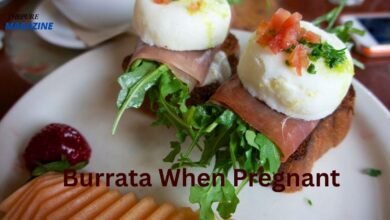
To understand burrata and pregnancy, it helps to first know what burrata actually is. Burrata is an Italian cheese made from mozzarella and cream. On the outside, it looks like a ball of fresh mozzarella. Inside, it has a soft and creamy filling made of shredded mozzarella mixed with fresh cream. When you cut into it, the creamy center flows out, which makes it very appealing.
Burrata is usually served fresh and often eaten at room temperature. Because it is fresh and soft, it has more moisture than hard cheeses like cheddar or parmesan. This high moisture content is one reason why people worry about burrata and pregnancy. Soft cheeses can sometimes carry harmful bacteria if they are not made or stored properly.
Why Food Safety Matters During Pregnancy
When talking about burrata and pregnancy, food safety is very important. During pregnancy, your immune system changes. It becomes slightly weaker to protect your growing baby. Because of this, pregnant women are more likely to get sick from certain bacteria that may not affect other people as much.
One of the main concerns is a bacteria called Listeria. Listeria can cause a serious infection known as listeriosis. While listeriosis is rare, it can be dangerous during pregnancy. It may lead to miscarriage, premature birth, or serious illness in newborn babies. That is why doctors and health experts advise pregnant women to be careful with certain foods, especially unpasteurized dairy products and soft cheeses.
Understanding these risks helps explain why burrata and pregnancy is a common question.
What Does Pasteurized Mean
A key factor in burrata and pregnancy is whether the cheese is pasteurized. Pasteurization is a process where milk is heated to a specific temperature to kill harmful bacteria. This process makes dairy products much safer to eat.
In many countries, including the United States, most commercially sold burrata is made from pasteurized milk. The Food and Drug Administration (FDA) requires that dairy products sold in stores are pasteurized. However, some small farms, specialty shops, or farmers markets may sell cheeses made from raw (unpasteurized) milk.
When thinking about burrata and pregnancy, always check the label. If it says “made with pasteurized milk,” it is generally considered safe to eat during pregnancy.
Is Burrata Safe During Pregnancy
The simple answer to the question about burrata and pregnancy is yes, burrata is safe if it is made from pasteurized milk and handled properly. Most grocery store burrata is pasteurized, which means the risk of harmful bacteria is very low.
However, safety does not stop at pasteurization. Burrata must also be stored correctly. Because it is a fresh cheese, it should always be kept in the refrigerator. The fridge temperature should be below 40°F (4°C). If burrata is left out at room temperature for more than two hours, bacteria can grow quickly.
So, when thinking about burrata and pregnancy, remember two important rules: check for pasteurization and store it properly.
Why Soft Cheeses Raise Concerns
Many people hear that soft cheeses should be avoided during pregnancy. This advice can sound confusing when talking about burrata and pregnancy. The reason soft cheeses are mentioned often is because they have more moisture. Bacteria grow more easily in moist environments.
Cheeses like brie, camembert, blue cheese, and sometimes feta have been linked to listeria outbreaks in the past, especially when made from unpasteurized milk. Burrata is also a soft cheese, so it naturally raises concern.
The good news is that pasteurized soft cheeses are generally safe. Health experts agree that the real risk comes from unpasteurized products, not from the softness itself. So, burrata and pregnancy can go together safely when you choose the right product.
How to Choose Safe Burrata During Pregnancy
When shopping and thinking about burrata and pregnancy, follow these simple steps. First, read the label carefully. Look for the words “pasteurized milk.” If you do not see this information, do not hesitate to ask the store staff.
Second, check the expiration date. Because burrata is fresh, it has a short shelf life. Always buy the freshest package available.
Third, examine the packaging. Make sure it is sealed properly and not leaking. Damaged packaging can allow bacteria to enter.
By following these steps, you can reduce any risks linked to burrata and pregnancy and enjoy your meal with peace of mind.
Eating Burrata at Restaurants While Pregnant
Another common question about burrata and pregnancy is whether it is safe to eat at restaurants. Many restaurants serve burrata in salads, pasta dishes, or as part of an appetizer platter.
When dining out, you can politely ask your server if the burrata is made from pasteurized milk. Most restaurants in the United States use pasteurized dairy products, but it is always better to ask if you are unsure.
Also, make sure the dish is served fresh and not left sitting out. Freshness matters when discussing burrata and pregnancy. If you feel uncertain about how it has been handled, it is okay to choose another dish.
What Happens If You Accidentally Eat Unpasteurized Burrata
If you accidentally eat unpasteurized burrata during pregnancy, do not panic. The risk of getting listeriosis is still low. However, you should monitor yourself for symptoms.
Symptoms of listeriosis may include fever, muscle aches, tiredness, nausea, or diarrhea. Sometimes it feels like a mild flu. If you experience any of these symptoms after eating questionable cheese, contact your healthcare provider right away.
Most infections can be treated with antibiotics if caught early. When it comes to burrata and pregnancy, staying calm and aware is the best approach.
Nutritional Benefits of Burrata During Pregnancy
There is also a positive side to burrata and pregnancy. Burrata contains important nutrients that are helpful during pregnancy. It is a good source of calcium, which supports the development of your baby’s bones and teeth. It also provides protein, which helps build tissues and supports overall growth.
In addition, burrata contains healthy fats that give you energy. However, it is still a rich cheese, so moderation is important. Eating small portions as part of a balanced diet is the best way to enjoy burrata and pregnancy together.
Proper Storage Tips for Burrata
Safe storage plays a big role in burrata and pregnancy. Always place burrata in the refrigerator as soon as you return home from the store. Keep it in its original liquid until you are ready to eat it. This helps maintain freshness.
Do not leave burrata out on the counter for long periods. If you are serving it at a gathering, return leftovers to the fridge within two hours. If the room is very warm, return it even sooner.
If burrata smells sour, looks discolored, or has a strange texture, throw it away. It is not worth the risk when considering burrata and pregnancy.
Comparing Burrata to Other Cheeses in Pregnancy
When discussing burrata and pregnancy, it helps to compare it to other cheeses. Hard cheeses like cheddar, parmesan, and swiss are usually very safe because they have low moisture and are often pasteurized.
Soft cheeses can be safe too, but only when pasteurized. This includes mozzarella, cream cheese, ricotta, and burrata. The key factor is not whether the cheese is soft or hard, but whether it is made from pasteurized milk and stored properly.
Understanding this makes burrata and pregnancy much less confusing.
Common Myths About Burrata and Pregnancy
There are many myths about burrata and pregnancy. One common myth is that all soft cheeses are unsafe. This is not true. Pasteurized soft cheeses are generally safe.
Another myth is that burrata is always unpasteurized because it is Italian. In reality, most burrata sold in regular grocery stores in the United States is pasteurized due to food safety laws.
Clearing up these myths helps expecting mothers feel less stressed about burrata and pregnancy.
When to Avoid Burrata During Pregnancy
Even though burrata and pregnancy can be safe together, there are times when you should avoid it. If you cannot confirm that it is pasteurized, it is better to skip it. If it has been sitting out for a long time at a party or buffet, do not eat it.
Also, if your doctor has given you specific dietary restrictions due to a high-risk pregnancy, follow their advice first. Every pregnancy is different, and personal medical guidance always comes before general advice about burrata and pregnancy.
Final Thoughts on Burrata and Pregnancy
Burrata and pregnancy does not have to be a stressful topic. The main rule is simple: choose pasteurized burrata and store it properly. Most store-bought burrata in the United States is pasteurized and safe for pregnant women.
By checking labels, keeping your fridge at the right temperature, and practicing good food safety habits, you can enjoy this creamy and delicious cheese without worry. Pregnancy is a time to nourish your body, not to live in fear of food.
If you ever feel unsure, talk to your healthcare provider for personal advice. With the right knowledge, burrata and pregnancy can go hand in hand, allowing you to enjoy your favorite dishes while keeping your baby safe.
FAQs
Is burrata safe to eat during pregnancy?
Yes, burrata is safe during pregnancy if it is made from pasteurized milk and stored properly. Always check the label to confirm it says “made with pasteurized milk.”
Why is pasteurization important for burrata and pregnancy?
Pasteurization kills harmful bacteria like Listeria, which can cause serious infections during pregnancy. Eating only pasteurized burrata greatly reduces health risks.
Can I eat burrata at a restaurant while pregnant?
Yes, but it’s best to ask the restaurant if the burrata is made with pasteurized milk. Most restaurants in the U.S. use pasteurized dairy products, but confirming gives extra peace of mind.
What happens if I accidentally eat unpasteurized burrata while pregnant?
Do not panic. The risk of infection is low. However, monitor yourself for symptoms like fever, muscle aches, nausea, or fatigue. Contact your healthcare provider if you notice any unusual symptoms.
Is burrata considered a soft cheese?
Yes, burrata is a soft, fresh cheese. However, soft cheeses made from pasteurized milk are generally safe during pregnancy.
How should burrata be stored during pregnancy?
Keep burrata refrigerated at or below 40°F (4°C). Do not leave it at room temperature for more than two hours. Always check the expiration date before eating.
Are all store-bought burrata cheeses pasteurized?
Most burrata sold in U.S. grocery stores is pasteurized due to food safety regulations. However, specialty shops or farmers markets may sell unpasteurized versions, so always read the label.
Can burrata cause listeria during pregnancy
Burrata made from unpasteurized milk may carry a risk of listeria. Pasteurized burrata significantly lowers this risk when handled and stored properly.
Is burrata healthy during pregnancy?
Yes, in moderation. Burrata contains calcium, protein, and healthy fats that support your baby’s growth. Because it is rich, it should be enjoyed as part of a balanced diet.
Should I completely avoid burrata while pregnant?
No, you do not need to avoid burrata completely. You simply need to ensure it is pasteurized and fresh. Safe food handling makes burrata and pregnancy compatible.
You May Related Post, Also Read
Burrata Pregnant: Is Burrata Cheese Safe to Eat During Pregnancy?
Burrata When Pregnant: Is It Safe to Eat?