Burrata Pregnant: A Simple and Clear Guide for Expecting Mothers
Pregnancy is a time filled with excitement, questions, cravings, and sometimes a lot of confusion—especially around food. One question that comes up again and again is burrata pregnant: can you eat burrata cheese while pregnant, or should you avoid it? The short answer is yes, burrata can be safe during pregnancy, but only under specific conditions. This article will walk you through everything you need to know in easy words, with clear explanations, so you can feel confident and calm about your food choices during this important time.
What Is Burrata Cheese and Why Do People Love It?
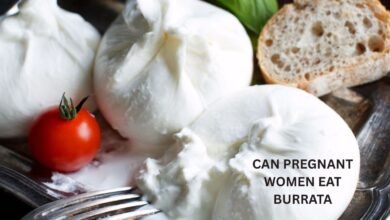
Before diving into whether burrata pregnant is safe, let’s understand what burrata actually is. Burrata is a fresh Italian cheese that looks like mozzarella on the outside but has a soft, creamy center made of cream and stretched curd. When you cut it open, the inside flows out, which is why many people love it so much. Burrata is often served fresh in salads, with tomatoes, olive oil, bread, or even fruit. Because it is soft, moist, and fresh, it tastes rich and comforting—exactly the kind of food many pregnant people crave.
Why Cheese Can Be Confusing During Pregnancy
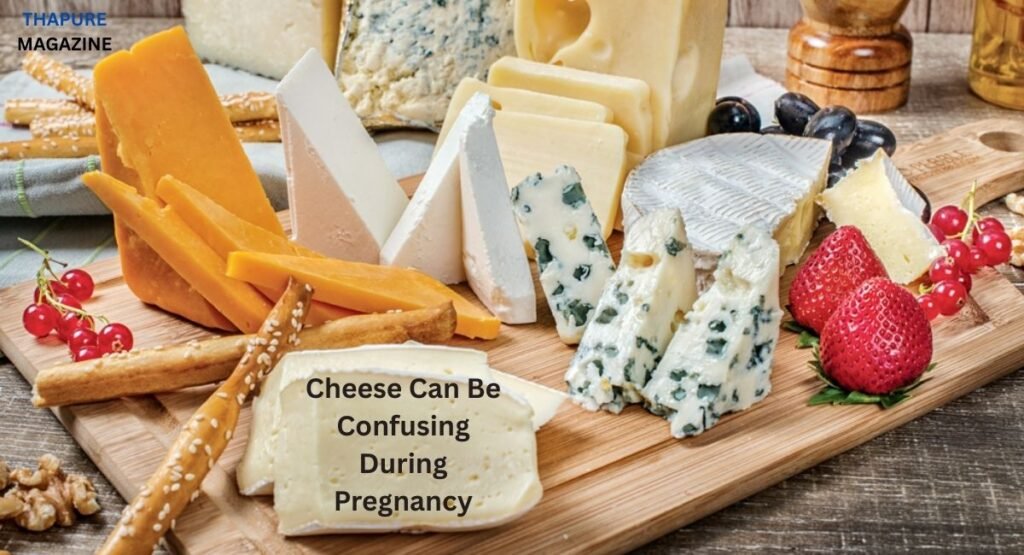
Cheese is nutritious and delicious, but pregnancy changes the rules a bit. The main concern with cheese during pregnancy is bacteria, especially Listeria monocytogenes. This bacteria can cause a serious infection called listeriosis, which is rare but more dangerous for pregnant people. Soft cheeses are often mentioned in warnings because bacteria can grow more easily in moist foods. This is why the topic of burrata pregnant can feel confusing—some people say all soft cheeses are bad, while others say they are fine.
The Real Risk: Pasteurized vs Unpasteurized Milk
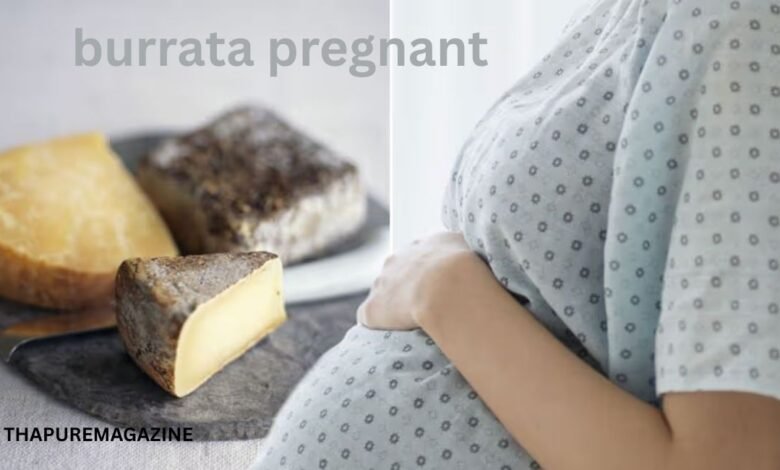
The most important factor when deciding if burrata pregnant is safe is pasteurization. Pasteurization is a process where milk is heated and then cooled to kill harmful bacteria. According to organizations like the Centers for Disease Control and Prevention and the Food and Drug Administration, pregnant people should avoid foods made with unpasteurized milk. The problem is not the softness of the cheese—it is whether the milk was pasteurized. Burrata made from pasteurized milk is generally considered safe to eat during pregnancy.
Is Burrata Pasteurized in the United States?
In the United States, most commercially sold burrata is made with pasteurized milk. This is good news for anyone searching for answers about burrata pregnant. Grocery store burrata from well-known brands almost always uses pasteurized milk, and the label will usually say “made with pasteurized milk.” However, burrata sold at farmer’s markets, specialty cheese shops, or imported from small producers may sometimes be made with unpasteurized milk. This is why reading the label is so important during pregnancy.
How to Check If Burrata Is Safe During Pregnancy
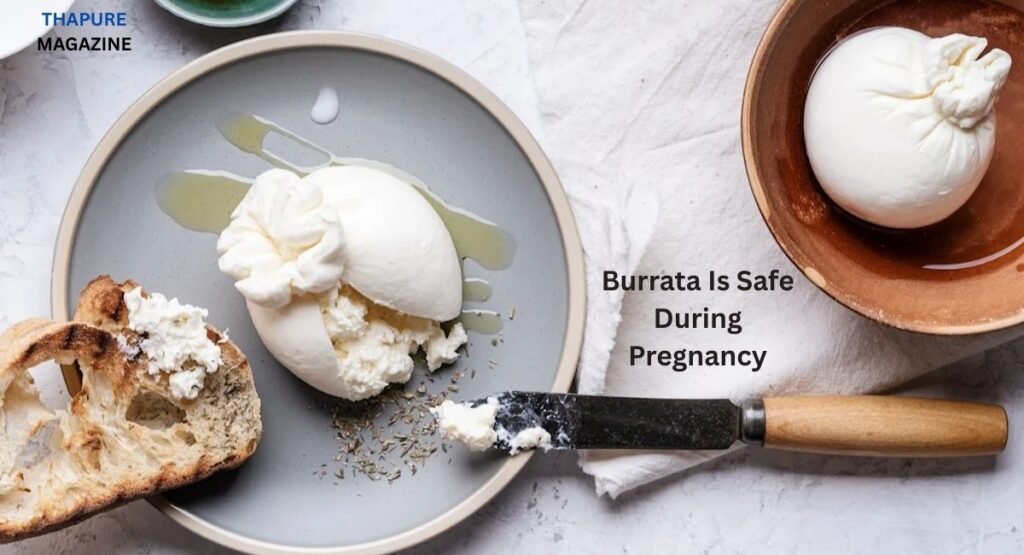
If you are pregnant and want to enjoy burrata, checking the label should become a habit. Look for clear wording such as “pasteurized milk” or “made from pasteurized milk.” If the label does not say this, it is safest to avoid the cheese or ask the seller directly. When dining out, you can also ask the restaurant staff if the burrata they use is pasteurized. It may feel awkward, but your health and your baby’s safety are worth it.
Nutritional Benefits of Burrata During Pregnancy
When burrata is pasteurized, it can be a nutritious part of a pregnancy diet. Burrata contains calcium, which helps support strong bones and teeth for both the pregnant person and the baby. It also provides protein, which is important for growth and development. The fats in burrata can help you feel full and satisfied, which can be helpful during pregnancy when appetite and hunger cues may change. This makes burrata pregnant not only safe (when pasteurized) but also beneficial in moderation.
Why Listeria Is More Dangerous During Pregnancy
One reason health professionals talk so much about cheese during pregnancy is because pregnant people are about ten times more likely to get listeriosis than the general population. Listeria can cross the placenta and affect the baby, leading to serious complications such as miscarriage, premature birth, or severe illness in newborns. Even though listeriosis is rare, the possible outcomes are serious, which is why food safety guidelines are so strict. Understanding this helps explain why the burrata pregnant question matters so much.
Can Cooking Burrata Make It Safer?
Some people wonder if cooking burrata makes it safe during pregnancy. Heat can kill listeria, so fully cooking cheese until it is steaming hot can reduce risk. However, burrata is usually eaten fresh and soft, not cooked. Because of this, you should not rely on cooking to make unpasteurized burrata safe. The safest approach for burrata pregnant is still to choose pasteurized versions only.
Burrata vs Other Soft Cheeses in Pregnancy
Burrata is often compared to cheeses like brie, camembert, feta, and goat cheese. All of these can be safe during pregnancy if they are made with pasteurized milk. The issue is that some traditional or imported versions may still be unpasteurized. Burrata is similar in this way. It is not automatically unsafe just because it is soft. The key rule remains the same across all soft cheeses: pasteurized milk equals safer choice for pregnancy.
Common Myths About Burrata and Pregnancy
A common myth is that all soft cheeses are dangerous during pregnancy. This is not true. Another myth is that avoiding cheese altogether is safer, but this can mean missing out on important nutrients like calcium and protein. The truth about burrata pregnant lies in balance and knowledge. When you understand pasteurization and read labels carefully, you can enjoy many cheeses safely during pregnancy without unnecessary fear.
What If You Accidentally Eat Unpasteurized Burrata While Pregnant?
If you accidentally eat burrata that turns out to be unpasteurized, try not to panic. Most exposures do not lead to infection. Monitor yourself for symptoms such as fever, muscle aches, headache, or stomach upset. If you notice any symptoms or feel worried, contact your healthcare provider right away. Early treatment can greatly reduce risks to you and your baby. Stress and guilt are not helpful, so focus on awareness and next steps instead.
Emotional Well-Being and Food Anxiety During Pregnancy
Pregnancy already comes with enough emotional ups and downs, and food anxiety can make it worse. Constantly worrying about every bite can take away joy from eating and increase stress. Understanding clear rules—like the pasteurization rule for burrata pregnant—can help reduce that anxiety. Instead of fearing food, you can make informed choices and enjoy meals with confidence and peace of mind.
Can You Eat Burrata While Breastfeeding?
After pregnancy, the rules around cheese become more relaxed. While breastfeeding, you can generally eat burrata made from pasteurized milk without concern. Listeria is mainly a risk during pregnancy because of how it affects the unborn baby. Still, basic food safety, such as proper storage and avoiding spoiled foods, is always important for overall health.
Tips for Safely Enjoying Burrata During Pregnancy
If you love burrata and want to enjoy it while pregnant, there are a few simple tips to follow. Buy burrata from trusted grocery stores. Always read labels carefully. Avoid burrata from unknown or unverified sources. Store it properly in the refrigerator and eat it before the expiration date. These small steps can make burrata pregnant a safe and enjoyable experience.
Why Moderation Still Matters With Burrata
Even when burrata is safe, moderation is key. Burrata is rich in fat and calories, which is fine in reasonable amounts but should be balanced with other nutrient-rich foods like fruits, vegetables, whole grains, and lean proteins. Pregnancy is about nourishing your body and your baby, not restricting yourself or overindulging. Burrata can absolutely fit into a healthy pregnancy diet when eaten mindfully.
Cultural and Social Situations Involving Burrata
Food is often part of social gatherings, family meals, and celebrations. If burrata is served and you are pregnant, you now know what to look for and what questions to ask. Being informed helps you participate fully without fear. The burrata pregnant conversation should empower you, not isolate you from shared food experiences.
(FAQs)
1. Can pregnant women eat burrata cheese?
Yes, pregnant women can eat burrata cheese if it is made with pasteurized milk. Most store-bought burrata in the United States is pasteurized and considered safe. Always read the label carefully before eating.
2. Why is burrata sometimes considered risky during pregnancy?
Burrata is a soft, fresh cheese with high moisture, which means bacteria like listeria can grow if it is made from unpasteurized milk. Listeria can be dangerous during pregnancy, which is why checking pasteurization is so important
1. How do I know if burrata is pasteurized?
Look at the cheese label for words like “made with pasteurized milk” or “pasteurized milk”. If there is no label or you’re unsure—especially at farmer’s markets or restaurants—it’s best to avoid it or ask directly
3. Is burrata safe to eat at restaurants while pregnant?
It can be safe, but only if the restaurant uses pasteurized burrata. Don’t hesitate to ask your server or the kitchen staff. Many restaurants are used to these questions and are happy to help.
4. What happens if I accidentally eat unpasteurized burrata while pregnant?
Don’t panic. Most people do not get sick. Watch for symptoms like fever, body aches, headache, or stomach issues. If you notice anything unusual, contact your healthcare provider right away for guidance.
5. Does cooking burrata make it safe during pregnancy?
Listeria can be killed by heat, but burrata is usually eaten fresh and not fully cooked. Because of this, cooking is not a reliable safety method. Pasteurization is still the safest option.
6. Is burrata healthy during pregnancy?
Yes, pasteurized burrata can be healthy when eaten in moderation. It provides calcium, protein, and healthy fats, which support bone health and overall nutrition during pregnancy.
7. Can I eat burrata while breastfeeding?
Yes. Breastfeeding parents can safely eat burrata made from pasteurized milk. The strict cheese rules mainly apply during pregnancy, not after birth.
8. Is burrata safer than other soft cheeses in pregnancy?
Burrata is not more dangerous than other soft cheeses. The risk depends on pasteurization, not the type of cheese. Pasteurized brie, feta, goat cheese, and burrata are all generally safe during pregnancy.
9. Should I completely avoid soft cheese during pregnancy?
No. You do not need to avoid all soft cheeses. You only need to avoid soft cheeses made from unpasteurized milk. Many soft cheeses sold in stores are pasteurized and safe to eat.
Final Thoughts on Burrata Pregnant
So, can you eat burrata while pregnant? Yes, you can—as long as it is made with pasteurized milk. Burrata does not need to be feared or avoided just because it is a soft cheese. With label reading, awareness, and moderation, burrata pregnant can be both safe and enjoyable. Pregnancy is a time to care for yourself with knowledge and kindness, not stress and confusion. When you understand the facts, you can savor your food and focus on what really matters—your health and your growing baby.