
The phrase almond mom has become a powerful cultural shorthand for a certain kind of parenting shaped by diet culture, fear of weight gain, and deeply internalized beliefs about food and body size. At its core, an almond mom is not simply a parent who prefers healthy eating. Instead, the term describes a parent who moralizes food, restricts eating, and passes anxiety about weight and appearance down to their children, often without realizing the harm it can cause. The term exploded online because so many people recognized their own childhoods in it, which tells us something important: this is not a niche issue, but a widespread social pattern.
Where the Term Almond Mom Came From
The internet didn’t invent the behaviors associated with an almond mom, but it did give them a name. The phrase gained traction after an old clip resurfaced of Yolanda Hadid advising her daughter Gigi Hadid to eat “a few almonds” when she said she felt weak. That moment resonated because it captured, in a few seconds, a lifetime of food policing many people grew up with. Once the clip spread on TikTok, users began sharing their own stories, and “almond mom” became a label for a familiar experience rather than a single celebrity incident.
Almond Mom Is About Culture, Not Just Parenting

It is important to understand that almond mom behavior does not appear out of nowhere. These parents are often responding to the same cultural pressures their children face, only intensified by decades of messaging that equated thinness with worth. Many almond moms grew up during eras when diet products, low-fat snacks, and constant body criticism were normal parts of everyday life. They internalized the idea that controlling food was a form of responsibility, self-discipline, and even love, and that belief did not magically disappear when they became parents.
Diet Culture and Its Invisible Power
Diet culture is the engine that drives almond mom behavior. It is a system of beliefs that tells us our bodies must look a certain way to be acceptable and that food is something to be controlled rather than enjoyed. Diet culture teaches people to see weight gain as failure and thinness as success, regardless of health, genetics, or mental well-being. When parents absorb these ideas, they often pass them down unconsciously, framing restriction as care and discipline as protection.
Why Almond Mom Messaging Hurts Children
Children are especially vulnerable to messages about food and body image because they are still learning how to understand themselves. When a parent constantly talks about calories, “good” foods, or needing to work off meals, children learn that eating is something to fear. Over time, this can lead to anxiety around food, disordered eating patterns, and a deep sense of shame tied to their bodies. Even comments that seem small or well-intended can leave long-lasting emotional marks.
Moralizing Food as Good or Bad
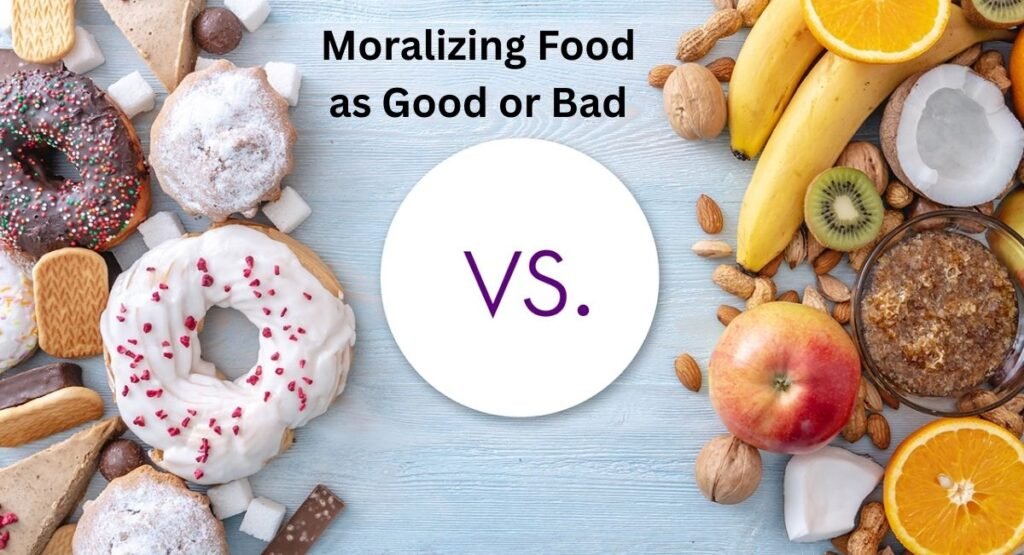
One of the most damaging habits associated with almond moms is labeling food as “good” or “bad.” This language turns eating into a moral issue instead of a practical or pleasurable one. When food becomes tied to virtue or failure, children learn to judge themselves based on what they eat. A slice of cake stops being a treat and starts feeling like a personal flaw, which can follow someone well into adulthood.
Restriction and Its Consequences
Food restriction, even when framed as health-focused, can backfire in serious ways. When people are told they cannot have certain foods, those foods often become more tempting and emotionally charged. This can lead to cycles of restriction and bingeing, which are far more harmful than eating a wide range of foods without guilt. For children, restriction can interfere with their natural ability to recognize hunger and fullness, skills that are essential for a healthy relationship with food.
Almond Moms and Disordered Eating Patterns
Many behaviors normalized by diet culture closely resemble symptoms of eating disorders. Counting calories, skipping meals, cutting out entire food groups, and obsessing over weight are all red flags when seen in a clinical context. When parents model these behaviors daily, children may come to see them as normal or even expected. This makes almond mom behavior especially dangerous, because it can quietly lay the groundwork for serious mental health struggles later on.
The Role of Weight Stigma
Weight stigma plays a major role in why almond moms act the way they do. Society often treats fat bodies as problems to be fixed, leading parents to believe they are protecting their children from bullying, discrimination, or future hardship by controlling their weight. While the intention may be to shield their kids from harm, the result is often the opposite. Weight stigma teaches children that love and acceptance are conditional, which can be deeply damaging.
Almond Moms Are Not Just Mothers
Despite the name, almond mom behavior is not limited to women. Fathers, grandparents, and other caregivers can also act as food police. The term persists because mothers are often the primary caregivers and are more heavily scrutinized for their parenting choices. This reflects a broader social pattern in which women are blamed for systemic problems, even when those problems are rooted in cultural forces far beyond any one household.
Generational Trauma Around Bodies
Many almond moms were once children who never learned to feel at ease in their own bodies. They may have grown up hearing constant criticism about weight, eating, and appearance, leaving them with unresolved shame that carries into adulthood. Without support, education, or healing, it is easy for that trauma to pass from one generation to the next. Understanding this does not excuse harmful behavior, but it does help explain why it happens so often.
Food, Control, and Parenting Anxiety
Parenting is full of uncertainty, and food can become an area where anxious parents feel they still have control. What a child eats is visible, measurable, and socially judged, making it an easy target for parental worry. Almond mom behavior often reflects a deeper fear of failing as a parent in a world that constantly criticizes mothers. In this way, food becomes a symbol of success or failure rather than nourishment.
The Impact of Social Media
Social media has amplified almond mom discourse by giving people a platform to name and critique their experiences. While this visibility can be validating, it can also oversimplify complex family dynamics. Viral clips rarely show the full context of a relationship, and public shaming can discourage honest reflection. Still, social media has helped many people realize they were not alone in their struggles, which is a powerful first step toward change.
Compassion Without Excusing Harm
Holding compassion for almond moms does not mean ignoring the harm they cause. It is possible to acknowledge that a parent was shaped by diet culture while still recognizing the pain their behavior created. This balanced perspective allows for accountability without cruelty. It also opens the door to conversations about healing rather than blame alone.
Healing From an Almond Mom Childhood
For people raised by almond moms, healing often involves relearning how to trust their bodies. This can mean letting go of rigid food rules, challenging internalized fatphobia, and seeking support from therapists or dietitians who practice weight-inclusive care. Healing is rarely quick or linear, but it is possible. Many people find relief in discovering that food does not have to be a constant source of fear or self-judgment.
Talking to an Almond Mom as an Adult
Conversations with almond moms can be difficult, especially when food and body comments are deeply ingrained habits. Setting boundaries around diet talk can be an important step, even if it feels uncomfortable at first. Some parents are open to learning and changing when they understand the impact of their words. Others may struggle, and in those cases, protecting one’s own mental health becomes the priority.
Access, Privilege, and Food Choices
Almond mom messaging often ignores the realities of food access and economic inequality. Not everyone can afford fresh produce, specialty items, or time-intensive meal planning. Labeling foods as bad without acknowledging these factors adds another layer of shame, especially for families already under stress. A truly healthy approach to food must consider accessibility, culture, and circumstance.
Body Positivity and Body Neutrality
Movements like body positivity and body neutrality offer alternatives to diet culture, but they are still unevenly supported in mainstream society. While these ideas appear in advertising and social media, they are rarely reinforced in healthcare, education, or parenting resources. Many almond moms never encountered these frameworks when they were younger, which makes change feel unfamiliar or even threatening.
What We Owe Parents as a Society
If we want fewer almond moms in the future, we need better support systems in the present. This includes accessible mental health care, nutrition education that is not weight-focused, and cultural messaging that values people at every size. Parents cannot unlearn decades of diet culture on their own. Collective change requires structural support, not just individual willpower.
Reimagining Food as Joyful
One hopeful vision is a world where families can enjoy food together without guilt or fear. This does not mean ignoring health, but rather understanding health as something that includes mental well-being, pleasure, and connection. Sharing meals without commentary on calories or weight can be a radical act in a culture obsessed with control. For many, this is the future they are working toward.
Almond Mom as a Mirror, Not a Villain
Ultimately, the almond mom phenomenon reflects a society deeply uncomfortable with bodies, especially women’s bodies. It shows how easily fear and shame can be passed down when there is no alternative model to follow. By seeing almond moms not just as villains but as mirrors of cultural harm, we can shift the conversation toward prevention and healing rather than endless blame.
Moving Forward With Awareness
The goal of talking about almond moms is not to shame parents, but to break cycles of harm. Awareness creates the opportunity for change, both within families and in the wider culture. When we question why food became such a source of fear in the first place, we take a step toward a healthier, kinder relationship with eating and with ourselves.
A Hopeful Ending
The idea of the almond mom reminds many people of painful memories, but it also opens space for growth. With education, compassion, and better resources, parents can learn new ways to talk about food and bodies. Children can grow up knowing that eating is not a moral test and that their worth is not measured in calories. That future is possible, and naming the problem is how we begin to build it.
FAQs
What does “almond mom” mean?
An almond mom is a parent who strongly believes in diet culture and often controls or restricts food, especially for their children. This can include encouraging very small portions, labeling foods as “good” or “bad,” and showing fear around weight gain. The term comes from social media and reflects a larger cultural issue, not just individual parenting choices.
Where did the term almond mom come from?
The phrase became popular after a clip of Yolanda Hadid telling her daughter Gigi Hadid to eat only a few almonds when she felt weak. Many people related to this moment and began sharing similar experiences, leading to the rise of the term on TikTok.
Is an almond mom always trying to be harmful?
No. Most almond moms do not intend to hurt their children. Many are repeating behaviors they learned growing up in a culture that praised thinness and dieting. While the impact can be harmful, the intention is often rooted in fear, concern, or a belief that restriction equals health.
How does almond mom behavior affect children?
Children raised by almond moms may develop anxiety around food, guilt when eating, or negative body image. Over time, this can increase the risk of disordered eating and make it harder for them to trust their hunger cues or enjoy food without shame.
Is almond mom behavior the same as healthy eating?
No. Healthy eating focuses on balance, nourishment, and well-being. Almond mom behavior focuses on restriction, control, and fear of weight gain. The key difference is whether food is treated as fuel and enjoyment or as something to police and moralize.
Can dads or other parents be almond moms too?
Yes. Although the term says “mom,” anyone can show almond mom behavior, including dads, grandparents, or caregivers. The name reflects how mothers are often more visible and judged in parenting, not that they are the only ones responsible.
What is diet culture and how does it relate to almond moms?
Diet culture is a belief system that values thinness over health and ties self-worth to body size. Almond moms often act based on diet culture rules, such as counting calories, fearing certain foods, or believing weight loss equals success.
How can someone heal from being raised by an almond mom?
Healing often involves unlearning food rules, challenging internalized shame, and rebuilding trust with your body. Many people find support through therapy, intuitive eating approaches, or weight-inclusive healthcare providers who focus on health without focusing on weight.
Can an almond mom change her behavior?
Yes. With awareness, education, and support, many parents can change how they talk about food and bodies. Learning about diet culture, avoiding food moralization, and focusing on overall well-being rather than weight are important steps forward.
Why is the almond mom conversation important?
Talking about almond moms helps expose how deeply diet culture affects families. It shifts the focus from blaming individuals to understanding systems that harm both parents and children. This awareness can help break harmful cycles for future generations.