

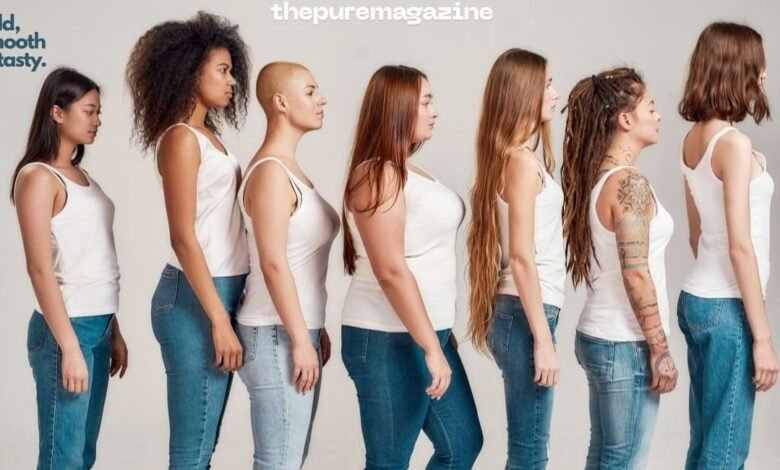
A Hair Length Chart is a simple visual and descriptive guide that shows how long hair looks at different stages as it grows down the body. Instead of guessing what “short,” “medium,” or “long” really means, a hair length chart gives you clear reference points such as chin length, shoulder length, waist length, or even hip length. This is especially helpful because hair length terms can mean very different things to different people. What one person calls shoulder length might look like collarbone length to someone else. A hair length chart removes confusion and helps you make confident decisions about your hairstyle, haircut, or hairpiece.
Understanding a hair length chart is useful for everyone, whether you are growing out your natural hair, planning a big haircut, or shopping for wigs and hair toppers. It allows you to set realistic expectations, visualize your goal length, and communicate clearly with hairstylists. Instead of relying on vague descriptions, you can point to a specific length on the chart and know exactly what you’re getting. This clarity saves time, prevents disappointment, and helps you feel more in control of your hair journey.
How a Hair Length Chart Helps You Choose the Best Look
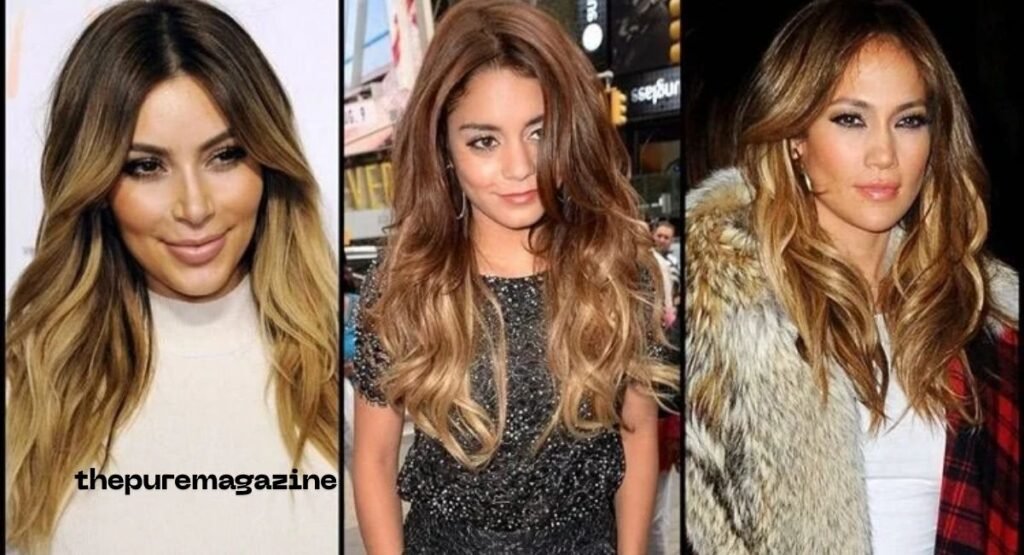
A hair length chart plays a big role in choosing a hairstyle that truly suits you. Hair length affects your overall appearance, your daily routine, and even how confident you feel. With a hair length chart, you can see how different lengths might frame your face, balance your body proportions, and match your lifestyle. For example, shorter lengths often give a bold, fresh look and require less daily care, while longer lengths create a softer, more romantic feel but need more maintenance.
Using a hair length chart also helps you avoid common misunderstandings at the salon. Many people say they want “long hair” when they actually picture mid-back length, not waist length. Others ask for “short hair” but are surprised when it ends above the ears. A hair length chart gives both you and your stylist a shared visual language. This makes it easier to explain your preferences and ensures the final result matches your expectations.
How to Measure Your Hair Using
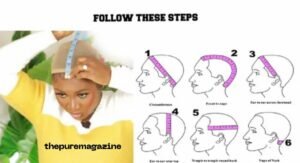
To get the most accurate results from a hair length chart, you need to measure your hair correctly. Start by standing straight and using a flexible measuring tape. Place the tape at the top of your crown and let it fall naturally down to the tips of your hair. This method works best if your hair is straight or lightly styled. If your hair is wavy or curly, measure it in its natural state first to understand how it appears in daily life.
If you want to know your true hair length, gently stretch your hair while measuring, without pulling too hard. Curly and coily hair often looks much shorter than it really is because of shrinkage. A hair length chart usually assumes straight hair, so stretching curls gives a more accurate comparison. Measuring your hair regularly can also help you track growth over time and stay motivated as you work toward your desired length.
Different Hair Types
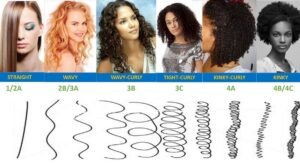
Hair texture plays a huge role in how length appears on the body. A hair length chart is usually based on straight hair, but the same measurement can look very different on wavy, curly, or coily hair. Straight hair shows its full length clearly, making it easy to match with chart categories. Wavy hair often appears one to two inches shorter because of its natural bends and movement.
Curly hair can look even shorter, sometimes by two to three inches, depending on curl tightness. Coily or kinky hair has the most shrinkage and may appear half its true length when worn naturally. This is why two people with the same measured length can look like they have very different hair lengths. Understanding this difference helps you use a hair length chart more accurately and choose styles that suit your natural texture.
Short Hair Lengths
Short hair lengths on a hair length chart usually range from crown length to chin length. These styles are often bold, modern, and easy to manage. Crown-length or buzzed hair sits very close to the scalp and highlights facial features beautifully. Ear-length hair includes pixie cuts and short bobs, offering versatility with minimal effort.
Chin-length hair is one of the most popular short styles because it balances elegance and simplicity. It works well with straight, wavy, or lightly curly hair and can be styled sleek or messy depending on your mood. Short hair lengths are ideal for people with busy lifestyles or anyone who prefers low-maintenance grooming while still looking stylish and put together.
Medium Hair Lengths
Medium hair lengths are often considered the most versatile on a hair length chart. These lengths usually fall between the shoulders and the armpits. Shoulder-length hair is a favorite because it suits almost all face shapes and hair types. It can be worn straight, curled, layered, or tied up, making it perfect for everyday wear.
Collarbone and armpit lengths offer a slightly longer option while still being easy to manage. These lengths are long enough for ponytails and buns but short enough to avoid heavy tangling. Medium hair lengths are ideal if you want flexibility without committing to the extra care that very long hair requires. They also work beautifully for wigs and hair toppers, creating a natural and balanced look.
Long Hair Lengths
Long hair lengths on a hair length chart usually start at bra-strap length and extend to mid-back or waist length. These lengths are often associated with femininity, elegance, and classic beauty. Long hair allows for endless styling options, including braids, curls, waves, and updos. It can completely transform your look depending on how you style it.
However, long hair also requires more care. The ends are older and more fragile, which means they need extra moisture and gentle handling. Regular trims, deep conditioning, and careful detangling are essential to keep long hair healthy. If well maintained, long hair can be incredibly eye-catching and make a strong style statement.
Extra-Long Hair Lengths
Extra-long hair lengths go beyond the waist and can reach the hips, tailbone, or even mid-thigh. On a hair length chart, these lengths are rare and often seen as fairytale-like. Growing hair this long takes years of patience, good genetics, and consistent care. Extra-long hair is often worn in braids or protective styles to prevent tangling and breakage.
While extra-long hair looks stunning, it can be heavy and time-consuming to maintain. Washing, drying, and moisturizing take much longer, and styling options may be limited by the weight of the hair. Still, for those who love dramatic length, extra-long hair can feel magical and deeply personal, making all the effort worthwhile.
Caring for Hair Based on Categories
Each category on the hair length chart comes with different care needs. Short hair is easy to wash and dry but may require styling products to maintain shape. Medium-length hair needs balanced care, with regular conditioning and light styling to keep it polished. Long and extra-long hair demand the most attention, especially when it comes to moisture and gentle handling.
Using the right products for your length helps prevent damage and breakage. Lightweight products work best for short and medium hair, while richer creams and oils are better for longer lengths. Understanding your place on the hair length chart helps you build a routine that supports healthy growth and keeps your hair looking its best.
Using for Wigs and Hair Toppers
A hair length chart is extremely helpful when choosing wigs or hair toppers. Hairpieces are usually labeled by inch length, which can be confusing without a visual guide. A hair length chart shows where those inches fall on the body, helping you choose a length that feels natural and comfortable for you.
For people experiencing hair loss, a hair length chart can make the process less overwhelming. It allows you to visualize how different lengths will look before making a purchase. Whether you prefer a short, manageable style or long, flowing hair, the chart helps you select a piece that matches your personality and lifestyle.
Growing Healthy Hair Using
A hair length chart is also a great motivational tool when growing your hair. By setting clear length goals, you can track progress and celebrate milestones along the way. Hair grows on average about one centimeter per month, so understanding where you are on the chart helps you plan realistically.
Healthy growth depends on good nutrition, gentle styling, and consistent care. Reducing heat, avoiding harsh chemicals, and keeping your scalp healthy all support better growth. Using a hair length chart keeps you focused and reminds you that progress, even when slow, is still progress.
Final Thoughts
A Hair Length Chart is more than just a guide—it’s a confidence-building tool. It helps you understand your hair, set realistic expectations, and make informed choices about styles, cuts, and hairpieces. Whether your hair is short, medium, long, or extra-long, every length has its own beauty and charm.
Your worth is not defined by inches of hair, but having the right tools can make your hair journey smoother and more empowering. With a hair length chart, you gain clarity, confidence, and control—one length at a time.
(FAQs)
What is a hair length chart?
A hair length chart is a visual and descriptive guide that shows how long hair looks at different stages as it grows down the body. It helps people understand the difference between hair lengths like chin length, shoulder length, waist length, and longer. A hair length chart makes it easier to choose hairstyles, haircuts, wigs, or hair toppers with confidence.
Why is a hair length chart important?
A hair length chart is important because hair length terms can be confusing. What one person calls “long hair” may look very different to someone else. The chart removes guesswork, helps set realistic expectations, and makes communication with hairstylists much clearer. It also helps when shopping online for wigs or hair extensions.
How do I measure my hair using a hair length chart?
To measure your hair, place a measuring tape at the top of your crown and let it fall naturally down to the ends of your hair. For curly or wavy hair, measure it in its natural state for appearance, or gently stretch it to find the true length. Then compare your measurement to a hair length chart to see where it falls.
Does hair texture affect how hair length looks on the chart?
Yes, hair texture makes a big difference. Straight hair shows its full length clearly, while wavy hair may appear 1–2 inches shorter. Curly hair often looks 2–3 inches shorter, and coily hair can appear much shorter due to shrinkage. This is why two people with the same measured length can look very different on a hair length chart.
What are the standard hair length categories?
Most hair length charts include these categories:
- Short hair: Ear to chin length
- Medium hair: Shoulder to armpit length
- Long hair: Bra strap to waist length
- Extra-long hair: Beyond the waist, including hip and tailbone length
These categories help simplify styling and shopping decisions.
Can I use a hair length chart to choose wigs or hair toppers?
Yes, a hair length chart is very helpful when choosing wigs or hair toppers. Hairpieces are usually sold by inch length, and the chart helps you visualize where that length will fall on your body. This makes it easier to select a wig or topper that looks natural and suits your lifestyle.
How long does it take to grow from one hair length to another?
On average, hair grows about 0.6 to 1.5 cm per month. Using a hair length chart can help you estimate how long it may take to grow from shoulder length to mid-back or from waist length to hip length. Growth speed depends on genetics, health, and hair care habits.
Which hair length is easiest to maintain?
Short and medium hair lengths are generally the easiest to maintain. They take less time to wash, dry, and detangle. Long and extra-long hair require more moisture, gentle handling, and regular trims to prevent breakage, but they offer more styling options.
Is longer hair always better?
Not necessarily. The best hair length is the one that fits your face shape, lifestyle, and personal comfort. A healthy, well-maintained medium or short hairstyle often looks better than very long hair that is damaged or thinning. A hair length chart helps you choose what truly works for you.
