

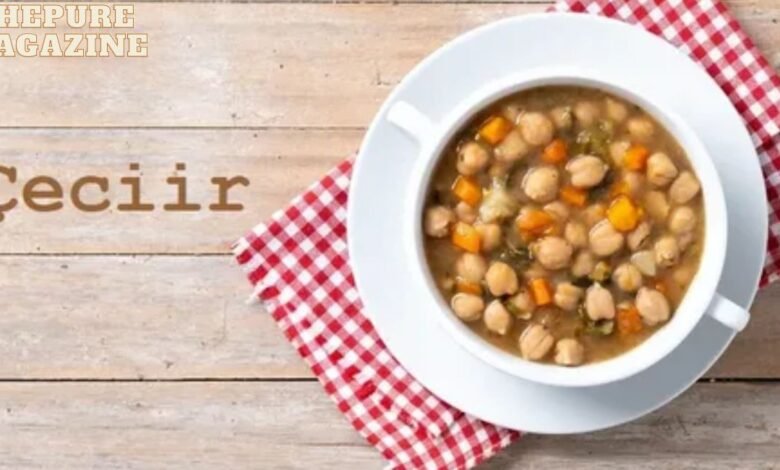
Çeciir: A Warm Introduction to a Timeless Food
Çeciir is a word that may sound new to many people, but it carries centuries of meaning, taste, and tradition. In Turkish culture, Çeciir is not just one single food. It can describe a comforting chickpea-based dish, a crunchy roasted snack, or even chickpea flour used in everyday cooking. What makes Çeciir special is its simplicity. Made mainly from chickpeas, olive oil, and basic spices, it shows how humble ingredients can create deep flavor and lasting comfort. For generations, families have cooked Çeciir in their homes, passing recipes from parents to children, keeping both taste and tradition alive.
What Exactly Is Çeciir?
Çeciir is a traditional food built around chickpeas, one of the oldest cultivated crops in human history. In many Turkish homes, Çeciir refers to a slow-cooked chickpea stew prepared with onions, garlic, tomato paste, olive oil, and gentle spices. In other settings, Çeciir may mean roasted chickpeas enjoyed as a snack or chickpea flour used in baking and cooking. No matter the form, Çeciir always represents nourishment, warmth, and balance. It is filling without being heavy and flavorful without being complicated.
The Deep Roots of Çeciir in History
The story of Çeciir begins thousands of years ago when chickpeas were first grown in the Middle East and Anatolia. Early farming communities depended on chickpeas because they were easy to grow, store, and cook. Over time, these communities developed simple meals that could feed large families, and Çeciir was one of them. As civilizations grew and trade routes expanded, spices and cooking methods evolved, but the heart of Çeciir stayed the same. It remained a food of the people, shaped by the land and the seasons.
Çeciir and Anatolian Food Culture
In Anatolia, food has always been more than survival. It is a way of sharing, caring, and connecting. Çeciir fits perfectly into this culture. It is often cooked in large pots and served to everyone at the table. In villages, Çeciir was commonly prepared after harvest seasons when chickpeas were plentiful. Families would gather, cook slowly, and eat together. This sense of togetherness is still felt today whenever Çeciir is served, especially during family visits and special gatherings.
Why Çeciir Is Considered Comfort Food
Çeciir is comforting because it is familiar and gentle. Its flavors are not sharp or overwhelming. Instead, they are soft, earthy, and warming. The slow cooking process allows the chickpeas to become tender and creamy, while olive oil adds richness. Many people associate the smell of Çeciir cooking with childhood memories, family kitchens, and peaceful meals. This emotional connection is one of the reasons Çeciir continues to be loved across generations.
Traditional Ingredients Used in Çeciir
The beauty of Çeciir comes from its short ingredient list. Chickpeas are always the main element. Olive oil is used generously, giving the dish both flavor and health benefits. Onions and garlic add sweetness and depth, while tomato paste brings mild acidity. Simple spices like cumin, paprika, thyme, or bay leaf complete the dish. These ingredients are affordable, easy to find, and long-lasting, which is why Çeciir became so popular in everyday life.
How Çeciir Is Traditionally Prepared
Preparing Çeciir is not difficult, but it requires patience. Chickpeas are usually soaked overnight to make them soft and easier to digest. The next day, they are boiled until tender. In a separate pot, onions and garlic are slowly cooked in olive oil until golden. Tomato paste and spices are added, followed by the chickpeas and water or broth. The dish is then simmered gently, sometimes for hours. This slow process allows the flavors to blend perfectly, creating a rich and satisfying meal.
Regional Variations of Çeciir
Although the base of Çeciir stays the same, different regions prepare it in slightly different ways. Some areas prefer a thicker, stew-like version, while others make it more soup-like. In coastal regions, olive oil is used more heavily, giving the dish a lighter feel. Inland areas may add more spices or herbs. These small changes show how Çeciir adapts to local tastes while keeping its original identity.
Çeciir as a Roasted Snack

Çeciir is not only a cooked meal. Roasted chickpeas are also commonly called Çeciir. These are prepared by boiling chickpeas, drying them, coating them lightly with olive oil, and roasting them until crispy. They can be seasoned with salt, paprika, garlic powder, or even a touch of sugar. Roasted Çeciir is crunchy, filling, and easy to carry, making it a popular snack for both children and adults.
Çeciir in the Form of Chickpea Flour
Another important form of Çeciir is chickpea flour. Made by grinding dried chickpeas into a fine powder, this flour is widely used in Turkish and Middle Eastern cooking. It is gluten-free and rich in protein. Chickpea flour can be used to make pancakes, flatbreads, fritters, and even desserts. It adds a mild nutty flavor and soft texture, making it a favorite ingredient for people with special dietary needs.
Nutritional Power of Çeciir
Çeciir is not just tasty; it is also very healthy. Chickpeas are packed with plant-based protein, making Çeciir an excellent choice for vegetarians and vegans. They are also rich in fiber, which supports digestion and helps keep you full for longer. Olive oil adds healthy fats that support heart health. Together, these ingredients create a balanced meal that provides energy without causing heaviness.
Vitamins and Minerals Found in Çeciir
Çeciir contains important nutrients such as iron, magnesium, potassium, folate, and vitamin B6. These nutrients support blood health, muscle function, and overall energy levels. Because chickpeas digest slowly, Çeciir helps maintain steady blood sugar levels. This makes it suitable for people managing diabetes or anyone aiming for balanced eating.
Çeciir in Modern Kitchens
Today, Çeciir continues to evolve. Modern cooks use it in creative ways while respecting its roots. You can find Çeciir served in bowls with grains and vegetables, blended into spreads, or added to salads for extra protein. Health-focused kitchens around the world now use chickpea flour and roasted chickpeas as alternatives to processed foods. This shows how Çeciir fits naturally into modern lifestyles.
Çeciir and Healthy Diet Trends
Çeciir works well with many popular diets. It fits easily into vegetarian, vegan, gluten-free, and Mediterranean eating plans. Unlike many modern superfoods, Çeciir is affordable and widely available. It proves that traditional foods can meet modern health goals without losing their cultural value.
Why Families Still Love Çeciir
Families continue to love Çeciir because it is easy to cook, budget-friendly, and satisfying. A single pot can feed many people. It stores well and tastes even better the next day. Most importantly, it brings people together. Sitting down to a meal of Çeciir feels comforting and familiar, no matter how much the world changes.
Çeciir as a Symbol of Sharing
In Turkish culture, sharing food is a sign of kindness. Çeciir is often prepared for guests as a way to show care and respect. Offering someone a bowl of Çeciir means offering warmth, safety, and welcome. This emotional value gives the dish a deeper meaning beyond nutrition.
Why Çeciir Still Matters Today
In a fast-paced world filled with processed foods, Çeciir reminds us of the value of slow cooking and simple ingredients. It shows that healthy eating does not need to be expensive or complicated. By choosing Çeciir, people reconnect with tradition while caring for their health.
Çeciir and Sustainable Eating
Chickpeas are environmentally friendly compared to many animal-based foods. They require less water and improve soil health. By including Çeciir in modern diets, people also support more sustainable food choices that benefit both health and the planet.
Final Thoughts on Çeciir
Çeciir is more than a dish, a snack, or a flour. It is a story of culture, history, and nourishment. From ancient Anatolian kitchens to modern homes around the world, Çeciir continues to offer comfort, health, and connection. Simple, affordable, and deeply meaningful, Çeciir proves that some of the best foods are the ones that have been with us all along. Adding Çeciir to your kitchen means welcoming tradition, balance, and warmth into your everyday meals.
Frequently Asked Questions (FAQs) About Çeciir
What is Çeciir?
Çeciir is a traditional Turkish food made from chickpeas. It can refer to a slow-cooked chickpea dish, roasted chickpeas eaten as a snack, or chickpea flour used in cooking and baking.
Is Çeciir the same as chickpeas?
Çeciir is made from chickpeas, but it is not just raw chickpeas. The word Çeciir is used to describe chickpeas when they are cooked, roasted, or turned into flour in Turkish cuisine.
Is Çeciir healthy?
Yes, Çeciir is very healthy. It is rich in plant-based protein, fiber, vitamins, and minerals. It supports digestion, helps control blood sugar, and is good for heart health.
Is Çeciir suitable for vegetarians and vegans?
Absolutely. Çeciir is 100% plant-based, making it a great food choice for vegetarians and vegans looking for natural protein sources.
Can people with gluten intolerance eat Çeciir?
Yes, Çeciir is naturally gluten-free. Chickpea flour made from Çeciir is often used as a gluten-free alternative in baking and cooking.
How is Çeciir traditionally cooked?
Traditionally, chickpeas are soaked overnight, boiled until soft, then cooked slowly with olive oil, onions, garlic, tomato paste, and simple spices until rich and flavorful.
Can Çeciir help with weight management?
Yes, because Çeciir is high in fiber and protein, it helps you feel full longer. This can reduce overeating and support healthy weight management.
How long does cooked Çeciir last?
Cooked Çeciir can be stored in the refrigerator for 3–4 days in an airtight container. It can also be frozen for longer storage.
What does Çeciir taste like?
Çeciir has a mild, earthy, and comforting taste. When cooked, it is soft and creamy. When roasted, it becomes crunchy and nutty.
Why is Çeciir important in Turkish culture?
Çeciir represents hospitality, simplicity, and tradition in Turkish life. It is often shared with family and guests, symbolizing warmth, care, and togetherness.
